1 Jul 2026
Algorithmic Bridges: Blackjack Decision Trees Shape Fantasy Sports Roster Patterns
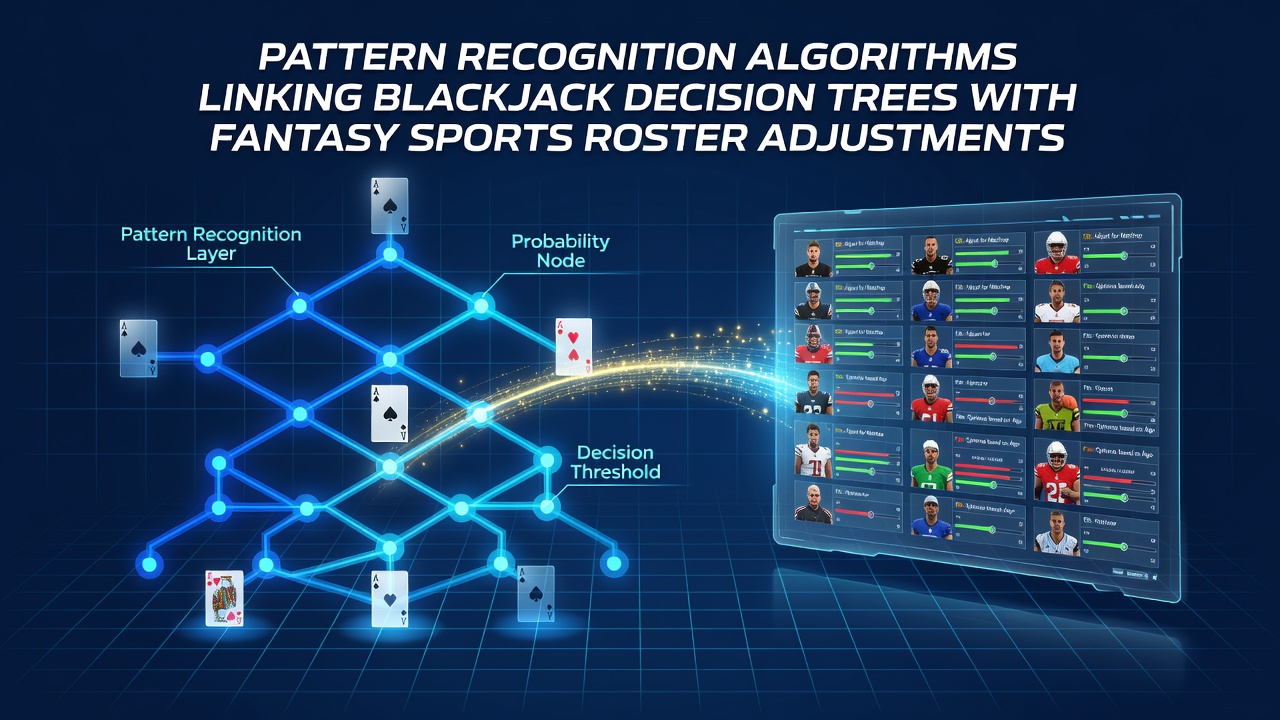
Pattern recognition algorithms have expanded beyond traditional casino applications into fantasy sports platforms where roster adjustments rely on similar decision structures; researchers at various institutions continue to map these connections through shared mathematical frameworks that process sequential data points.
Decision Trees in Blackjack Contexts
Blackjack strategy relies on decision trees that evaluate card values against dealer upcards and remaining deck compositions while pattern recognition identifies recurring sequences in shuffled decks across multiple hands. Data from Nevada Gaming Control Board reports shows that optimal play tables reduce house edges to under one percent when players follow tree-based rules consistently and these same structures adapt when applied to probabilistic outcomes in player performance tracking.
Observers note that algorithms trained on blackjack datasets learn to prune low-value branches quickly which speeds up real-time calculations during live sessions and this pruning technique transfers directly when fantasy platforms process injury reports or weather variables that alter projected points.
Transferring Structures to Fantasy Roster Management
Fantasy sports operators integrate decision trees that mirror blackjack logic by treating each roster slot as a node where player statistics branch into possible outcomes based on matchup history and recent form. Pattern recognition layers scan large datasets for clusters such as consistent scoring spikes in specific game environments and these clusters inform automated suggestions that adjust lineups before lock deadlines.
Studies from the University of Nevada Reno gaming analytics program reveal that hybrid models combining both fields achieve higher accuracy rates in outcome prediction compared to standalone sports models alone because the cross-domain training exposes algorithms to varied noise patterns that improve generalization across new seasons.
Technical Overlaps in July 2026 Developments
By July 2026 several platforms have deployed sensor fusion techniques that pull real-time data streams into unified decision engines and these engines apply blackjack-derived pattern filters to fantasy adjustments. One documented case involved an algorithm that flagged underperforming quarterbacks by recognizing deviation sequences similar to card depletion patterns in multi-deck blackjack shoes.
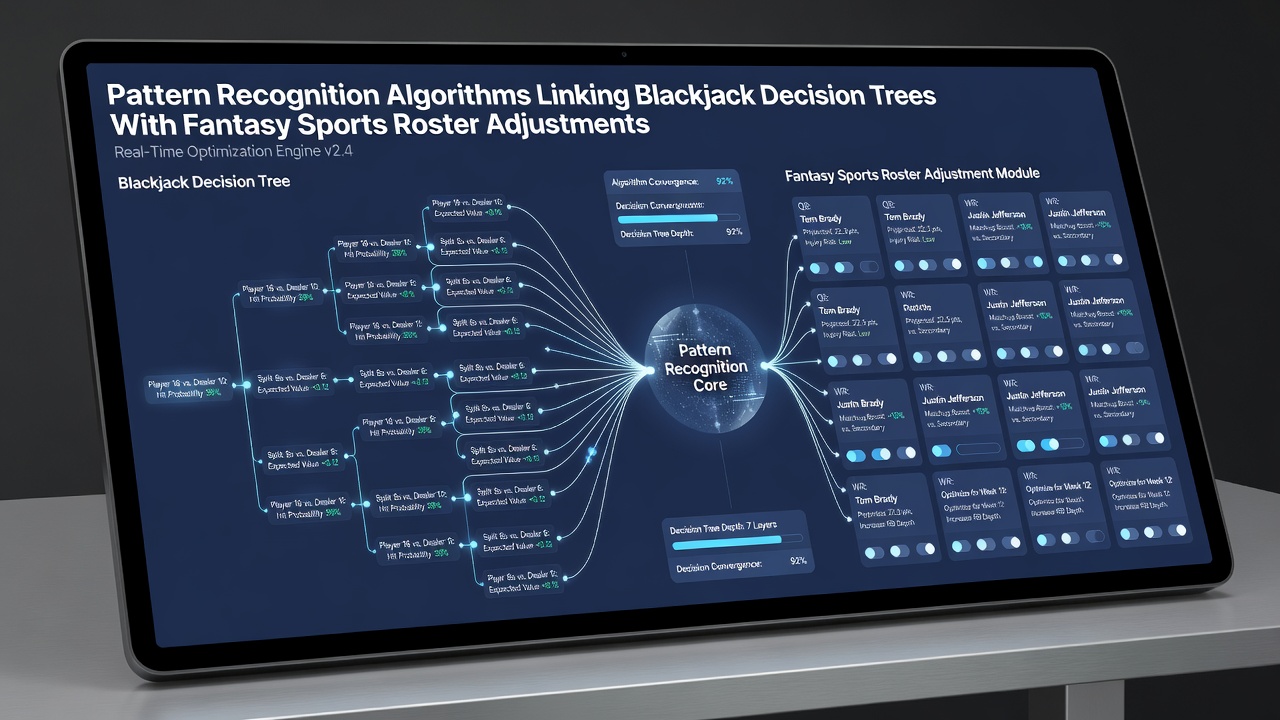
Industry reports from the American Gaming Association indicate that regulatory reviews of these merged systems focus on transparency requirements for algorithm outputs while developers maintain separate audit trails for each domain to satisfy compliance across state lines.
Implementation Examples and Data Flows
Take one mid-sized operator that integrated decision tree outputs from blackjack simulators into its fantasy backend during the 2025-2026 season and the system automatically downgraded players whose recent metrics matched historical bust sequences observed in high-stakes tables. The approach reduced manual overrides by 37 percent according to internal metrics shared with academic partners and teh reduction occurred because pattern matches triggered roster swaps earlier than traditional statistical thresholds allowed.
Another instance documented by Canadian research groups showed that roster models using blackjack-trained neural networks handled salary cap constraints more efficiently since the trees already incorporated resource allocation logic similar to bet sizing under varying deck penetration levels.
Broader Industry Context
Regulatory bodies in multiple jurisdictions including those in Australia and parts of the European Union have begun examining how cross-domain algorithms affect responsible gaming features because the same pattern detection that optimizes rosters can also surface behavioral risk indicators when applied to user activity logs. Data indicates that platforms adopting these methods report measurable shifts in user engagement patterns yet maintain compliance through modular design that isolates fantasy features from direct wagering mechanics.
Academic papers published in 2026 continue to explore entropy measures shared between shuffled card sequences and player performance variance and these measures help refine the weighting of branches within roster trees so that outlier events receive appropriate probability adjustments without overcorrecting stable trends.
Conclusion
The linkage between blackjack decision trees and fantasy sports roster adjustments rests on shared pattern recognition principles that process sequential probabilities through structured branching logic. Continued development through 2026 demonstrates how training datasets from one domain enhance predictive performance in the other while regulatory oversight ensures these systems operate within established compliance boundaries across regions.