26 Jun 2026
Cross-Border Rules Reshaping Bonus Structures in Global Gaming Platforms
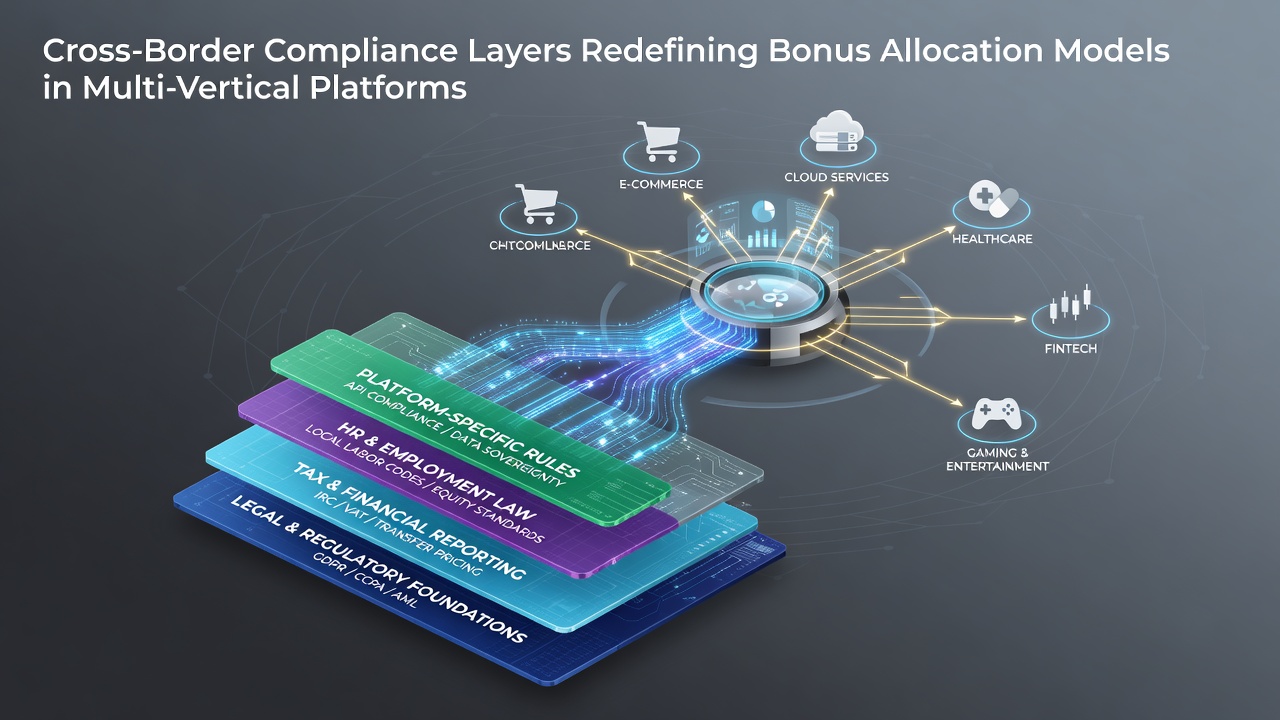
Multi-vertical platforms that combine slots, sports betting, poker, and live dealer options now operate under overlapping regulatory requirements from multiple jurisdictions, and these layers directly influence how operators design and distribute bonuses. Jurisdictions impose distinct rules on player eligibility, contribution percentages, and maximum payout caps, which forces platforms to segment bonus offers by user location rather than apply uniform global promotions.
Regulatory Overlaps Drive Model Adjustments
Operators track compliance through automated systems that check each player's registered address against current rules in their home region. Data shows that platforms serving users across North America, Europe, and parts of Asia have introduced location-based bonus engines since early 2025, and these systems recalculate available promotions in real time when users cross borders or update their profiles. According to reports from the European Commission on digital services, such segmentation reduces the risk of offering incentives that violate local wagering requirements or tax reporting standards.
Bonus contribution rates for different game types often vary by jurisdiction. Slots may count 100 percent toward wagering in one market yet only 20 percent in another, while sports bets receive different weighting depending on whether the platform operates under state-level licensing in the United States or provincial oversight in Canada. These variations compel platforms to maintain separate ledgers for each compliance layer so that bonus funds clear only after satisfying every applicable rule set.
Multi-Vertical Integration Challenges
Platforms that aggregate several verticals face added complexity because each product line carries its own regulatory treatment. A single bonus pool must now allocate portions that satisfy sports betting caps in one jurisdiction while meeting slot-specific playthrough thresholds in another. Research from the Canadian Gaming Association indicates that integrated platforms reduced average bonus values by 12 to 18 percent in markets with strict cross-border rules during the first half of 2026, yet overall player retention held steady because offers became more targeted and transparent.
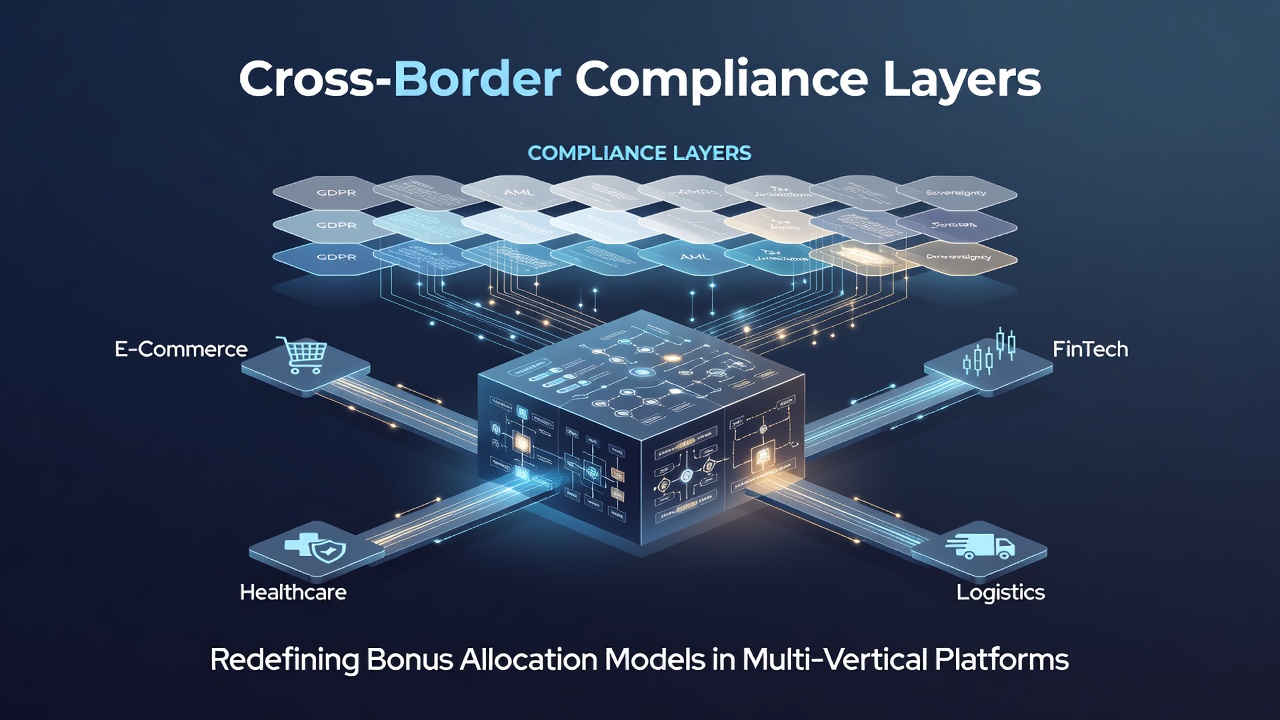
Technical teams have responded by building modular bonus engines that pull rules from centralized compliance databases updated monthly. These databases incorporate inputs from regulatory bodies such as the New Jersey Division of Gaming Enforcement and the Malta Gaming Authority, allowing platforms to adjust allocation formulas without rewriting core code for each new market entry. The result appears in dashboards that display real-time bonus eligibility broken down by vertical and jurisdiction.
Data Patterns Emerging in June 2026
Figures released in June 2026 from industry tracking services reveal that platforms with mature cross-border systems now allocate roughly 35 percent of total bonus budgets to sports verticals in European markets, while directing higher percentages toward slots in regulated U.S. states. This shift reflects differing player preferences and regulatory caps on free bets versus deposit matches. Observers note that these patterns emerged after several large operators synchronized their systems with updated reporting standards that took effect at the start of the year.
Player accounts registered in multiple regions trigger additional verification steps before any bonus activates. Systems compare IP addresses, payment method origins, and declared residency against stored compliance profiles, and mismatches route the account to manual review. Such procedures add friction yet also limit exposure to penalties that previously reached millions in fines across the sector.
Conclusion
Cross-border compliance layers continue to reshape how multi-vertical platforms structure bonuses by requiring granular segmentation, real-time rule checking, and separate accounting tracks for each jurisdiction. Platforms that invested early in modular systems report smoother operations, while those still transitioning face higher administrative costs. The ongoing integration of regulatory data feeds into bonus engines suggests that allocation models will grow more precise rather than uniform in the months ahead.