28 Jun 2026
Cross-Platform Sensor Integration Patterns in Unified Mobile Wagering Ecosystems

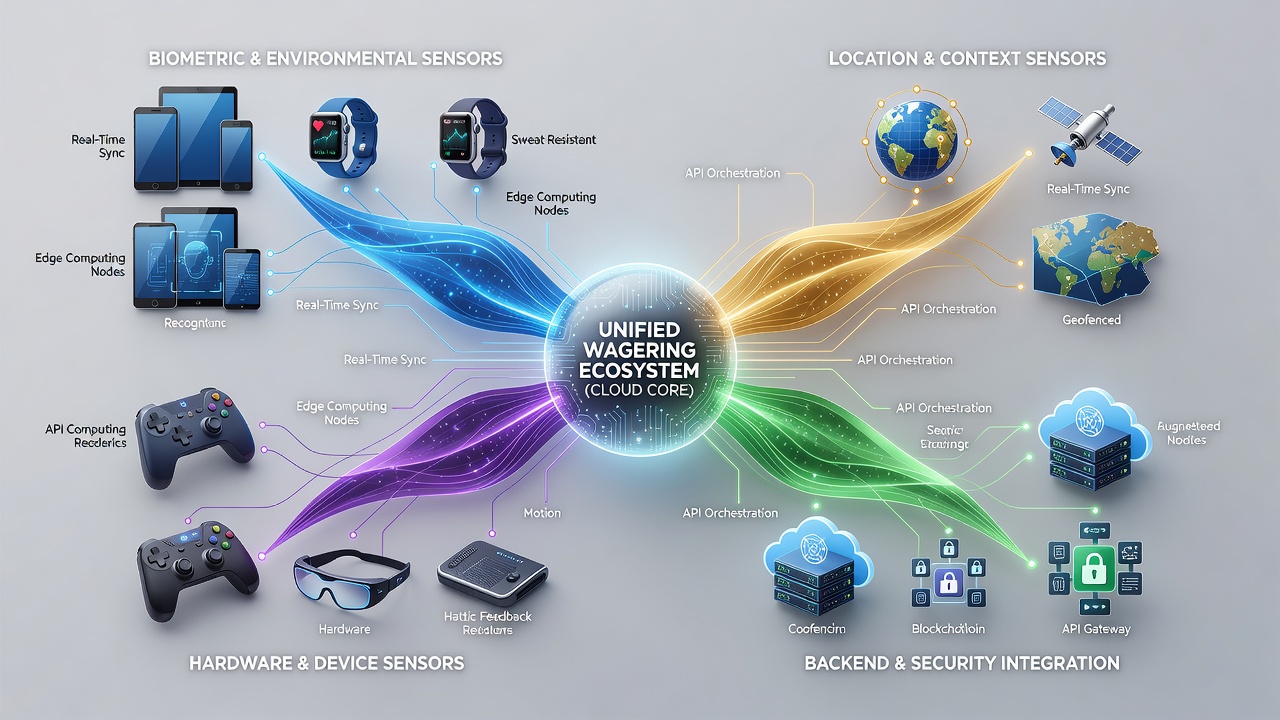
Developers have begun standardizing sensor data flows across iOS and Android environments in mobile wagering applications, and these efforts create unified ecosystems where accelerometer readings, GPS coordinates, and touch pressure metrics operate through shared protocols rather than isolated device APIs. Research indicates that such integration allows operators to synchronize real-time inputs from multiple hardware sources into single user profiles, which in turn supports consistent gameplay adjustments regardless of the operating system in use.
Core Integration Mechanisms Across Device Platforms
Unified wagering systems now route sensor outputs through middleware layers that normalize values from disparate hardware configurations, and this approach reduces latency when players switch between smartphones and tablets during live betting sessions. Studies from academic institutions show that pattern recognition algorithms process combined data streams to detect consistent user behaviors, such as tilt adjustments in poker interfaces or swipe velocity in roulette selections, across both Apple and Google ecosystems. Those patterns emerge most clearly in environments where location services merge with motion sensors to verify user presence at regulated venues while maintaining continuous session data.
Accelerometer and Gyroscope Standardization Efforts
Operators implement common data schemas that convert raw accelerometer and gyroscope signals into platform-agnostic formats, and this conversion enables features like automatic bet confirmation triggered by device orientation changes to function identically on different devices. Figures from industry reports released in June 2026 reveal that adoption rates for these standardized schemas reached 68 percent among major mobile wagering providers operating in North American markets. The reality is that without such normalization, cross-device continuity suffers because native sensor calibration varies significantly between manufacturers.
Data Synchronization in Multi-Device Wagering Sessions
Unified ecosystems employ cloud-based aggregation points that collect sensor inputs from active devices and redistribute processed insights back to the user interface in real time, while GPS and proximity sensors contribute additional layers of verification to prevent unauthorized account access during shared device scenarios. Evidence suggests that these synchronization methods support seamless transitions when a player moves from a phone-based sports bet to a tablet-based table game without resetting preferences or losing contextual data. Regulatory documentation from the New Jersey Division of Gaming Enforcement highlights that synchronized sensor patterns have contributed to measurable reductions in session interruption rates during peak hours.
Biometric and Environmental Sensor Fusion Techniques
Fusion models combine heart rate variability from wearable integrations with ambient light and pressure readings from mobile devices, and the resulting profiles inform risk assessment modules that operate consistently regardless of the primary platform. Researchers at the University of Nevada, Reno documented how these combined inputs allow systems to distinguish between deliberate wagering actions and incidental movements with higher precision than single-sensor approaches. Patterns observed in June 2026 deployments indicate that environmental sensor data helps calibrate biometric thresholds for users in varying lighting or noise conditions common to mobile environments.
Security and Compliance Implications of Unified Sensor Patterns
Cross-platform integration introduces requirements for encrypted transmission of all sensor-derived data streams, and compliance frameworks now mandate audit trails that log how each input influences wager outcomes across device types. Government agencies in Australia and Canada have issued guidelines requiring operators to demonstrate that sensor fusion processes maintain data integrity during transfers between iOS and Android instances. Those requirements have prompted development of open standards that multiple vendors can adopt without proprietary lock-in, which in turn accelerates broader ecosystem unification.
Take one implementation where a major platform merged touch pressure data with location history to flag potential proxy betting attempts, and the system achieved consistent detection rates across hardware variants. What's interesting is that these security enhancements rely on the same normalized data structures that also improve user experience features such as adaptive interface scaling based on device motion patterns.
Conclusion
Cross-platform sensor integration continues to evolve through standardized protocols and synchronized data flows that connect diverse mobile hardware into cohesive wagering environments. Reports from regulatory bodies and academic analyses confirm that these patterns support both operational efficiency and compliance objectives when implemented across major markets. Continued refinement of fusion techniques will likely determine how unified ecosystems handle emerging sensor types in the months ahead.