24 Jun 2026
Data Synchronization Across Platforms Strengthens User Retention in Integrated Casino Betting Systems

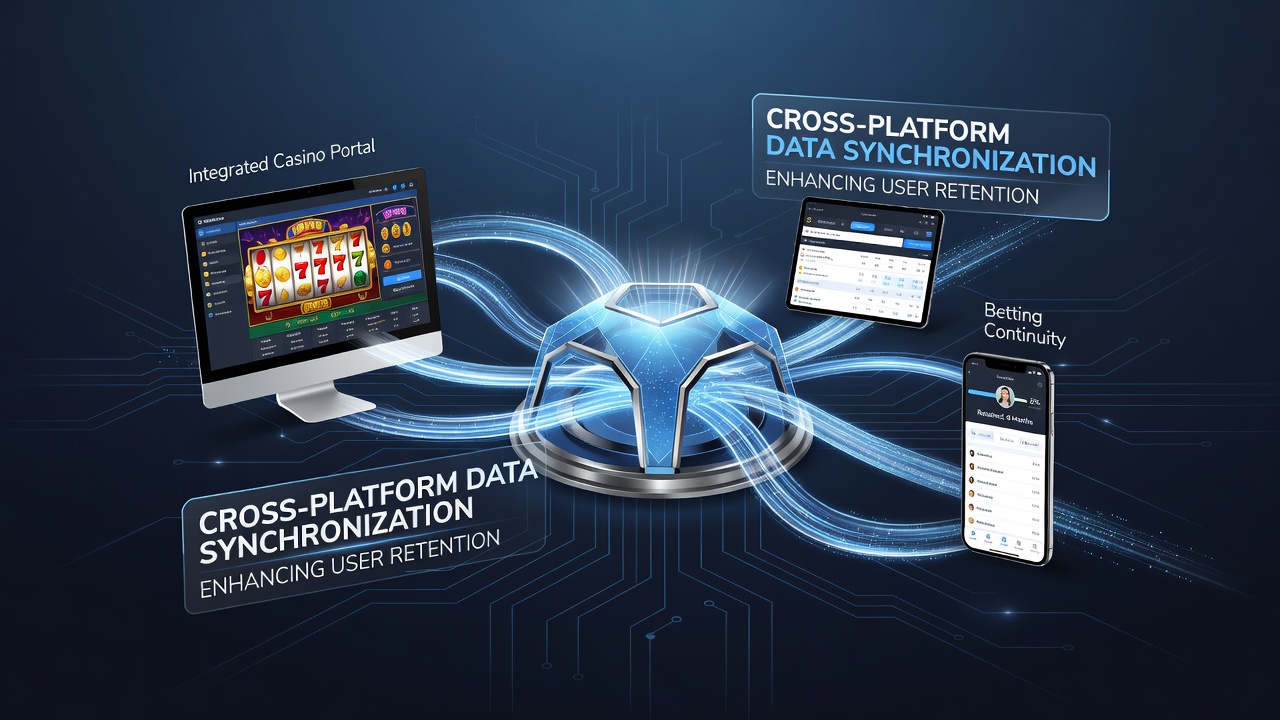
Integrated casino and betting portals now rely on cross-platform data synchronization to maintain consistent user profiles, transaction histories, and preference settings whether players access services through mobile apps, desktop browsers, or in-venue terminals, and this technical approach has produced measurable effects on retention metrics throughout 2026.
Operators achieve synchronization by routing player activity through centralized databases that update in real time, allowing a wager placed on a sports event via smartphone to appear instantly in the same account when the user switches to a tablet for casino table games, while bonus eligibility and loyalty points remain aligned without manual intervention.
Technical Mechanisms Behind Unified Player Records
Modern systems employ API-driven architectures and cloud-based ledgers that reconcile data packets across devices within milliseconds, and these frameworks incorporate encryption protocols plus token-based authentication to prevent discrepancies during high-volume periods such as major sporting events. Research from industry consortia shows that portals implementing full synchronization report fewer account conflicts and reduced support tickets related to balance mismatches, while regulatory bodies in multiple jurisdictions require audit trails that these same systems naturally generate.
Device sensors contribute additional layers by feeding location, session duration, and interaction patterns into the shared database, enabling operators to adjust interface elements automatically when a player moves from one platform to another. As of June 2026, several large operators have expanded these sensor integrations to include biometric markers that further refine profile accuracy without interrupting gameplay flow.
Retention Patterns Linked to Seamless Access
Retention improves when users encounter uninterrupted experiences because synchronized data supports personalized offers that reflect actual play history rather than fragmented segments, and analysts tracking user cohorts have noted higher repeat login rates among accounts that maintain continuous profiles across devices. Figures from market monitoring services indicate that portals with robust synchronization retain active users at rates several percentage points above those relying on periodic batch updates.
One documented pattern involves players who begin a session on mobile during commute hours and later continue on desktop at home, where the system already recognizes pending bets, accumulated rewards, and game preferences, which reduces friction that otherwise leads to session abandonment. Observers note that this continuity encourages longer overall engagement windows and higher lifetime value calculations for the operator.
Regulatory and Industry Data Sources
According to reports issued by the American Gaming Association, synchronized platforms have contributed to revenue stability in regulated markets by supporting consistent compliance reporting across channels. Canadian regulatory filings similarly highlight how unified records simplify responsible gaming controls, allowing operators to apply deposit limits uniformly regardless of access point.
Academic analyses from European research institutions have examined retention curves in multi-channel environments and found that data continuity correlates with lower churn during promotional transitions, although the studies emphasize that synchronization alone does not replace competitive game offerings or effective customer support.
Implementation Challenges and Operational Adjustments
Despite clear advantages, synchronization demands substantial infrastructure investment and ongoing maintenance to handle peak loads without latency, and smaller operators sometimes adopt hybrid models that sync core financial data first while delaying full preference profiles. Network variability across regions can still create brief desync events, yet monitoring tools now alert administrators before these issues affect users.
Security remains paramount because centralized repositories represent high-value targets, which has prompted adoption of zero-trust frameworks and regular penetration testing across the sector. Industry groups continue to publish best-practice guidelines that address both technical and compliance dimensions of these systems.
Conclusion
Cross-platform data synchronization has become a foundational element for integrated casino and betting portals seeking sustained user engagement, with documented effects on retention emerging from consistent profiles, reduced friction, and unified personalization capabilities. As operators refine these systems through 2026 and beyond, the emphasis remains on reliable data flows that support both player convenience and regulatory requirements across diverse markets.