10 Jul 2026
Demographic Shifts Influencing Bingo and Hybrid Poker-Sports Selections in Regulated Jurisdictions
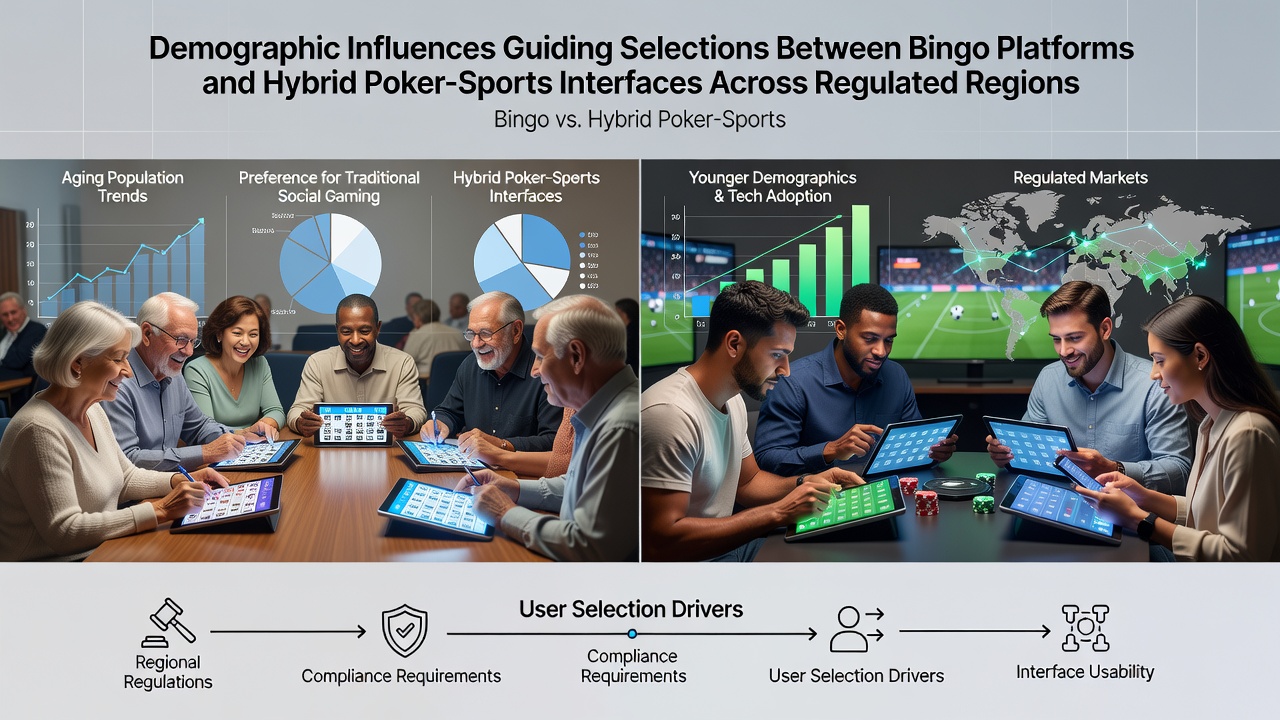
Regulated markets around the world reveal clear patterns in how age, gender, income, and geographic location steer users toward either traditional bingo platforms or hybrid poker-sports interfaces, and data released in July 2026 continues to map these trends across North America, Europe, and parts of Asia-Pacific. Observers note that these choices often align with broader lifestyle factors rather than isolated preferences, creating distinct user bases that operators track through registration analytics and session data.
Age and Tech Integration Patterns
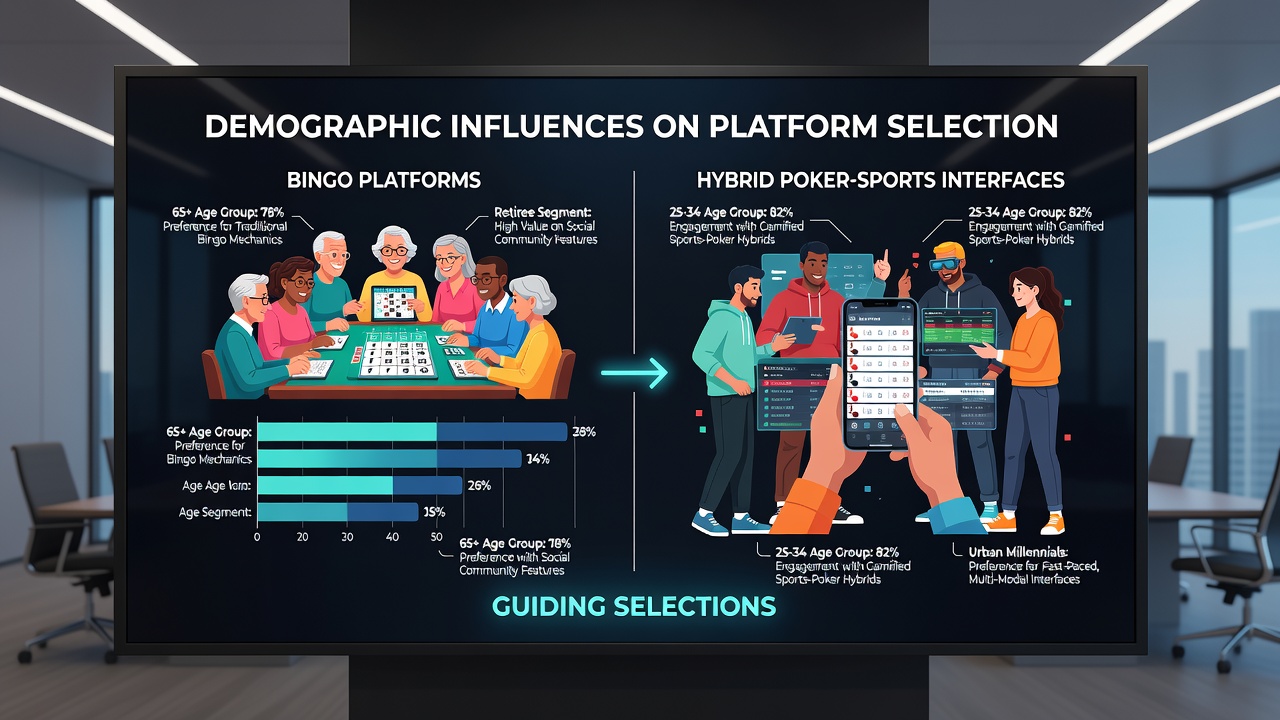
Younger adults between 21 and 35 gravitate toward hybrid interfaces that combine poker tables with live sports betting overlays, while those over 55 show stronger retention on dedicated bingo sites with simpler navigation. Research from the Australian Gambling Research Centre indicates that mobile sensor capabilities in hybrid apps, such as tilt and touch responses, appeal to cohorts already accustomed to gaming apps, whereas bingo platforms maintain steady engagement among older users who prioritize chat features and community elements over real-time odds adjustments.
Those who have examined cross-border data find that the 36-to-54 bracket splits more evenly, often selecting hybrids when sports events coincide with poker tournaments yet returning to bingo during slower periods. This middle group frequently switches based on device type, with tablet users favoring bingo's larger card layouts and smartphone users sticking to compact hybrid dashboards.
Gender Distribution Across Platforms
Women represent a larger share of active bingo accounts in most regulated regions, with figures from Canada's provincial gaming authorities showing female participation rates near 62 percent on bingo-focused sites in Ontario and British Columbia. Men, by contrast, account for approximately 71 percent of hybrid poker-sports traffic according to aggregated reports from European trade associations. These splits hold steady even when operators launch cross-promotions, suggesting demographic anchors outweigh temporary incentives.
Income and Session Behavior
Higher-income brackets demonstrate greater experimentation with hybrid interfaces, particularly in states and provinces where deposit limits allow larger sports wagers alongside poker buy-ins. Lower-to-middle income groups maintain consistent bingo play because session costs remain predictable and community jackpots provide extended engagement without rapid bankroll swings. July 2026 figures from several U.S. state regulators highlight that bingo average revenue per user stays flatter across quarters, whereas hybrid platforms experience sharper peaks tied to major sporting calendars.
Regional and Cultural Influences
North American markets show pronounced separation, with bingo platforms dominating rural and suburban zip codes while hybrid interfaces cluster in urban centers with strong sports franchises. European data collected through national lotteries in Spain and the Netherlands points to similar divides, where older populations in smaller towns sustain bingo volumes even as younger city dwellers adopt poker-sports bundles. In Australia, the Australian Gambling Research Centre tracks how state-level regulations affect these choices, noting that Queensland's hybrid approvals correlate with faster uptake among 25-to-40 males compared with more restrictive jurisdictions.
Language and cultural familiarity also shape selections. Multilingual bingo rooms attract immigrant communities across Canada and parts of the EU, whereas hybrid interfaces often default to English-first designs that align with global sports broadcasting. Observers tracking July 2026 registration spikes report that bilingual support on bingo platforms lifts retention among non-native speakers more effectively than equivalent features on hybrid sites.
Device and Accessibility Factors
Smartphone penetration rates influence platform stickiness, especially in regions where data caps make lighter bingo apps more practical than graphics-heavy hybrids. Studies compiled by academic groups at the University of Nevada, Reno, link higher tablet ownership among older demographics to sustained bingo play, while multi-app users under 40 frequently toggle between poker lobbies and sportsbooks within the same session. Accessibility features such as voice commands and high-contrast modes appear more frequently on bingo platforms, reinforcing their appeal to users with specific mobility or visual requirements.
Conclusion
Demographic variables continue to segment player bases between bingo platforms and hybrid poker-sports interfaces across regulated regions, with age, gender, income, and location serving as reliable predictors of platform loyalty. Data gathered through mid-2026 confirms these patterns persist despite evolving technology and promotional tactics, giving operators measurable signals for tailoring interfaces and compliance measures to distinct user groups.