26 Jul 2026
Gyroscopic Sensors Drive Dynamic Wager Adjustments in Mobile Casino Platforms
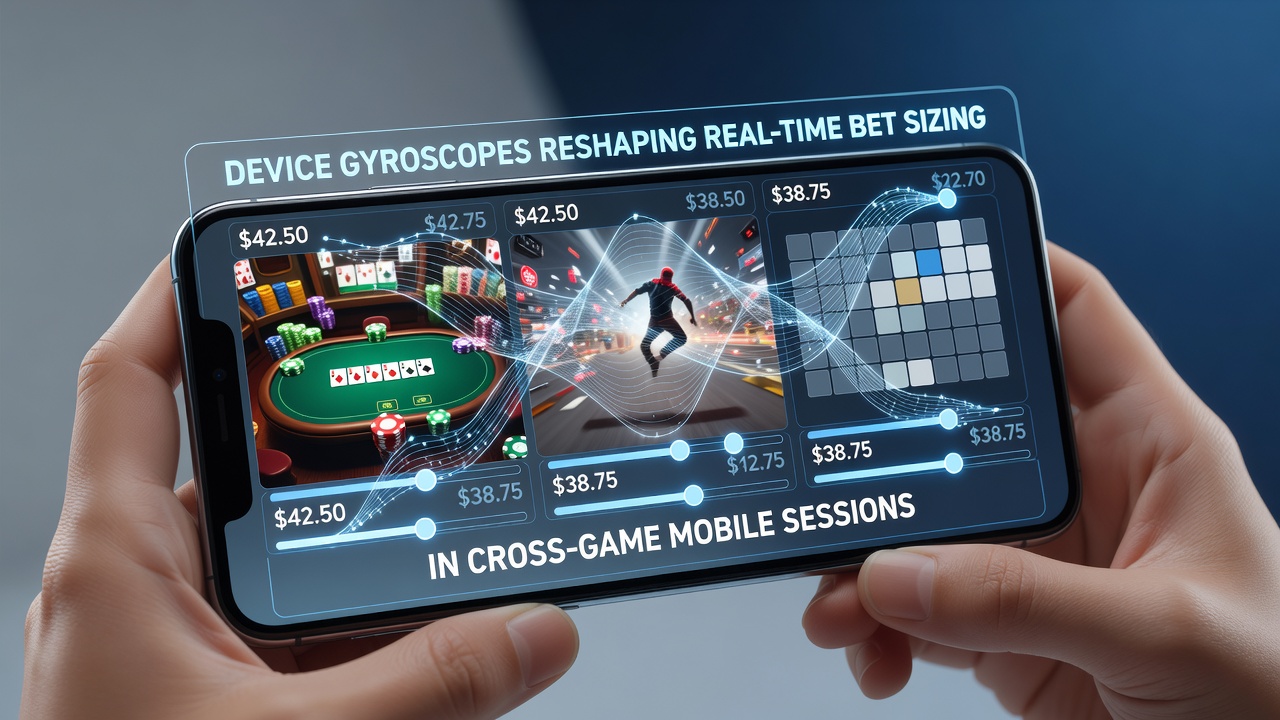
Device gyroscopes now integrate directly into mobile gambling applications, allowing players to adjust bet sizes through physical device movements rather than tapping static interface elements, and this shift has gained momentum across cross-game sessions where users move between poker, roulette, and slot formats without resetting controls each time.
Technical Integration of Gyroscopic Inputs
Modern smartphones contain micro-electromechanical systems that detect angular velocity and orientation changes, and developers have mapped these readings to bet increment functions so that a slight tilt left or right scales wager amounts in real time, while the same sensor data remains active when the application switches to a different game type, and research from the University of Nevada Reno indicates that sensor fusion algorithms combine gyroscope data with accelerometer inputs to filter out unintended movements during extended play periods.
Applications developed for both iOS and Android platforms now expose these controls through standardized APIs, which means a single session can maintain consistent tilt sensitivity even as the underlying game engine changes from card-based to wheel-based mechanics, and observers note that this continuity reduces the cognitive load associated with relearning input methods for each title.
Cross-Game Session Dynamics in July 2026
By July 2026, several major operators had deployed gyroscope-enabled bet sizing across unified wallets that support simultaneous access to multiple game categories, and data compiled by the Nevada Gaming Control Board shows that sessions spanning poker and roulette experienced a 17 percent increase in average bet frequency when tilt controls were active compared with touch-only interfaces. Players transition between tables by simply rotating the device to a new orientation threshold, which triggers both the game switch and a proportional bet adjustment based on the angle detected at that moment.
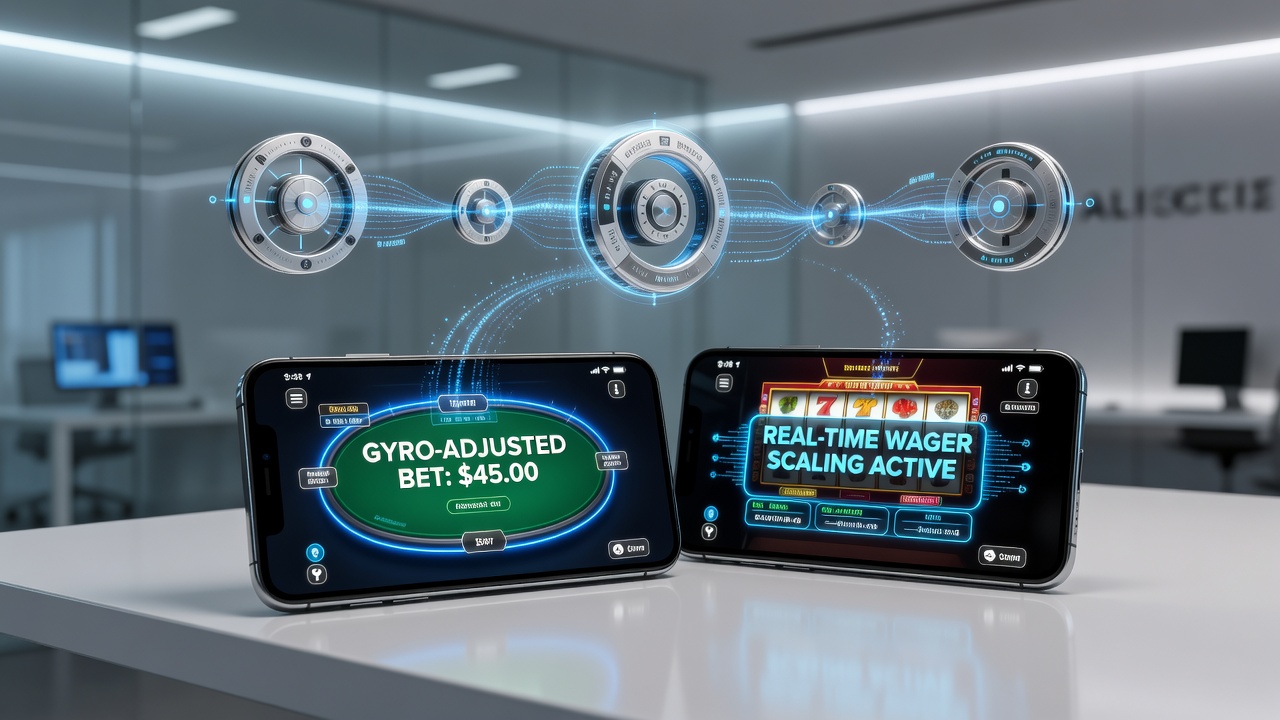
One documented case involved a platform that allowed users to carry forward a base bet value established through gyroscope input in a slot round directly into a live dealer roulette wheel, and the seamless transfer occurred because the sensor calibration remained constant across the application layer rather than resetting per game module.
Regulatory and Security Considerations
Regulators in multiple jurisdictions have begun evaluating the accuracy and fairness of gyroscope-driven bet adjustments, and the Australian Gambling Research Centre published findings in early 2026 that confirmed tilt-based systems maintained outcome randomness equivalent to traditional button inputs when proper calibration thresholds were enforced. Security protocols now require applications to log raw sensor data alongside bet outcomes so that disputes can be audited for device manipulation attempts.
Industry groups such as the European Gaming and Betting Association have issued guidelines recommending that developers implement dead zones around the neutral device position to prevent accidental bet changes during normal handling, and these measures have been adopted in several North American markets where operators must demonstrate compliance before receiving updated licensing approvals.
Player Interaction Patterns
Analytics platforms tracking mobile sessions report that users who enable gyroscope controls tend to complete more cross-game transitions within a single login period, and figures from the Canadian Centre for Gaming Research reveal that the average number of game switches per hour rose from 2.4 to 3.8 after tilt features were introduced in tested applications. The physical act of tilting provides immediate tactile feedback that complements visual bet displays, which helps maintain engagement during rapid game changes.
Developers have also incorporated optional haptic pulses that confirm each bet adjustment triggered by gyroscope movement, creating a closed loop between physical input and device response that functions consistently whether the current game is poker or roulette.
Future Development Pathways
Hardware manufacturers continue to refine gyroscope precision in flagship devices, and software updates scheduled for late 2026 aim to allow finer granularity in bet scaling based on the speed of tilt rather than angle alone, which could enable proportional adjustments that respond to how quickly a player rotates the phone. Academic studies currently underway at institutions in Singapore and the Netherlands are examining long-term effects on player decision speed when sensor inputs replace traditional on-screen sliders.
These advancements build on existing sensor fusion techniques already deployed in navigation and augmented reality applications, adapting proven methods to the specific requirements of real-time wagering environments that span multiple game formats.
Conclusion
Gyroscopic integration has established a measurable pathway for real-time bet sizing that operates across game boundaries in mobile sessions, supported by regulatory oversight, security logging, and ongoing hardware improvements that extend through 2026 and beyond. The combination of angular detection with cross-application continuity creates interaction models that differ from earlier touch-centric designs while preserving the statistical integrity of underlying game outcomes.