27 May 2026
Haptic Cues and Betting Choices: Touch Technology's Influence on Mobile Poker and Roulette
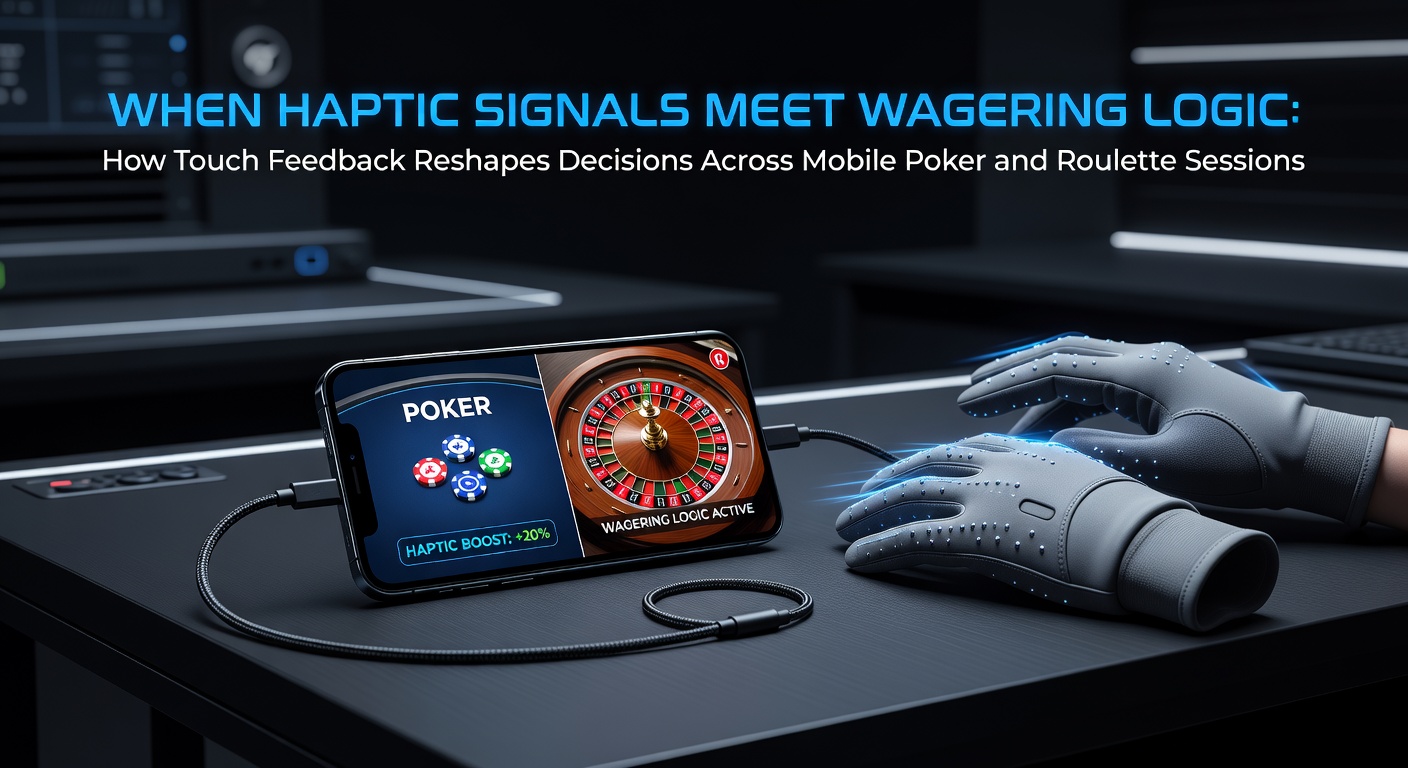
Developers have integrated haptic feedback systems into mobile wagering platforms since the early 2020s, and those systems now deliver precise vibrations that align with game events in poker and roulette applications. Players receive subtle pulses when cards are dealt, when bets are placed, or when the roulette wheel slows, and these signals operate alongside visual and auditory cues to shape timing and risk assessment during sessions.
Research conducted through the International Gaming Institute at the University of Nevada has documented how these touch responses affect decision intervals, with data collected from thousands of sessions showing measurable shifts in bet placement speed. The patterns appear consistent across both poker cash games and roulette rounds, particularly when players engage through smartphones equipped with advanced linear resonant actuators.
Mechanics Behind Haptic Integration in Wagering Apps
Modern mobile devices use layered vibration motors that generate distinct patterns, ranging from short bursts to sustained rumbles, and application developers map these patterns directly to game mechanics. In poker interfaces the system might pulse once for a community card reveal while delivering a double tap when an opponent raises, and roulette applications often link continuous low-frequency feedback to wheel spins that decrease in intensity as the ball settles into a pocket.
Engineers calibrate intensity levels through user settings, allowing customization that ranges from minimal notifications to pronounced effects, and platform operators track engagement metrics that reveal higher retention rates among users who activate full haptic profiles. As of May 2026, several major operators reported that over sixty percent of active mobile sessions included enabled touch feedback, according to aggregated industry telemetry shared at the Canadian Gaming Summit.
Decision Patterns Observed in Poker Sessions
Studies tracking poker participants indicate that haptic alerts during betting rounds correlate with shorter deliberation times on marginal hands, while stronger pulses on strong holdings sometimes extend consideration periods. Observers note that the tactile layer appears to reinforce memory of recent action sequences, enabling quicker recognition of opponent tendencies without requiring constant screen glances.
One analysis of anonymized session data from North American platforms found that players exposed to consistent haptic mapping reduced average fold times by nearly two seconds compared to sessions without touch feedback, and similar groups showed increased check frequency in later streets. These adjustments occur because the physical cue provides an additional processing channel that complements visual card layouts and betting history displays.
Roulette Dynamics and Touch-Based Timing
Roulette applications leverage haptic signals to mark critical phases such as the final seconds before the no-more-bets call, and players often adjust wager amounts in response to escalating vibration strength. Data collected across European and Australian markets shows that users who receive graduated feedback during wheel deceleration place outside bets with greater consistency than those relying solely on visual timers.
Figures from regulatory reports in Ontario reveal that mobile roulette volume increased twenty-three percent year-over-year through early 2026, coinciding with broader rollout of refined haptic engines in flagship handsets. The feedback loops help maintain attention across extended sessions because the touch element varies enough to prevent habituation while remaining non-intrusive.
Cross-Platform Data and Emerging Trends
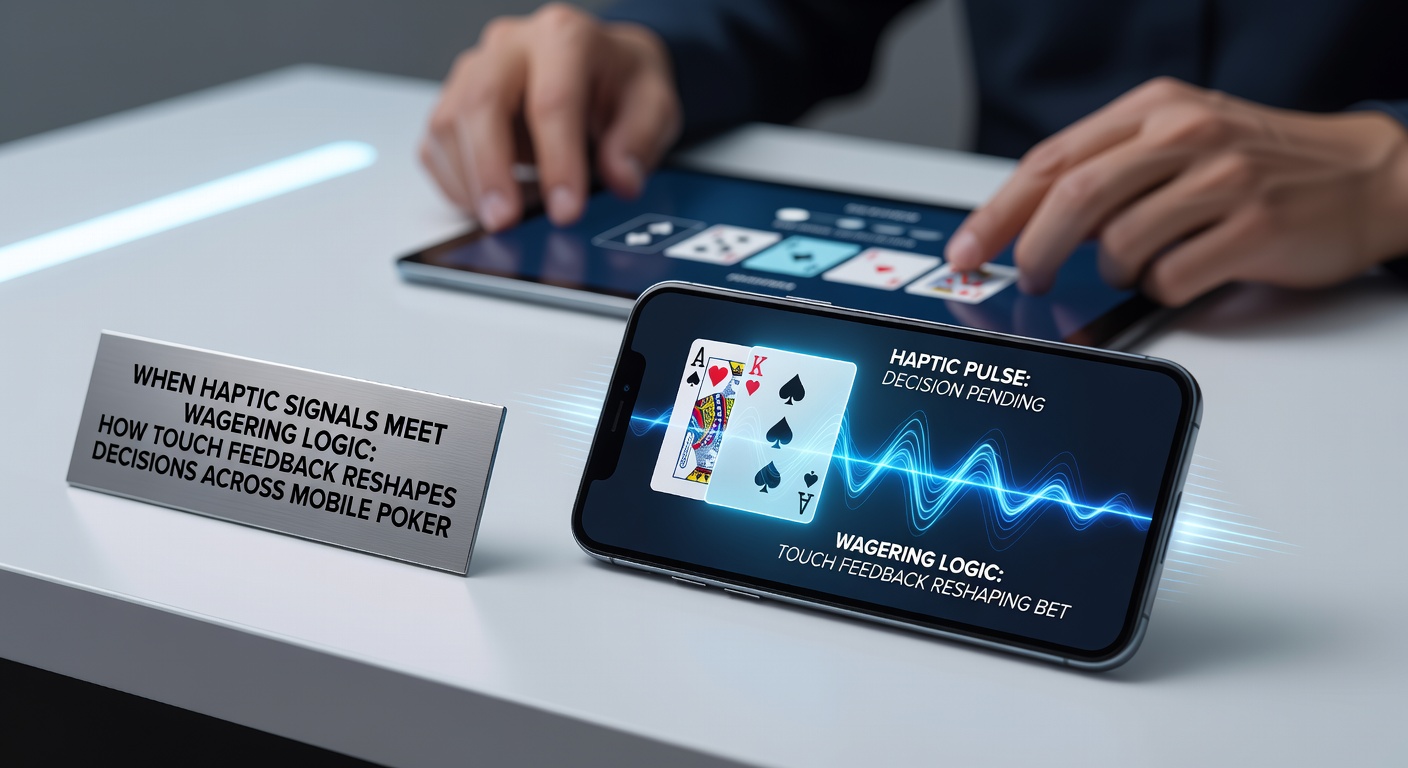
Comparative reviews between poker and roulette environments highlight that haptic influence appears stronger in turn-based formats like poker, where discrete events trigger isolated pulses, whereas continuous wheel motion in roulette creates overlapping feedback streams that require careful calibration. Researchers at several academic centers continue to examine whether prolonged exposure alters baseline risk tolerance, and preliminary models suggest habituation occurs after approximately forty-five minutes of uninterrupted play.
Operators continue refining algorithms that adapt haptic intensity based on session length and historical player behavior, and these adaptive systems draw from anonymized datasets shared through industry consortia. The approach maintains compliance with accessibility guidelines while supporting varied device capabilities across different hardware generations.
Conclusion
Haptic integration in mobile poker and roulette has progressed from simple notification tools to structured feedback layers that align with core wagering mechanics, and available session data indicates measurable effects on timing and bet selection patterns. Continued monitoring by research groups and regulatory bodies will clarify long-term behavioral implications as device sensor technology advances through 2026 and beyond.