24 Jul 2026
Loyalty Algorithms and Retention Dynamics in International Bingo Platforms

Cross-border bingo platforms rely on sophisticated loyalty algorithms to track player behavior and adjust rewards in real time, and these systems process data from multiple jurisdictions where regulations differ significantly. Operators collect metrics such as session duration, deposit frequency, and game selection patterns, then feed the information into machine learning models that predict churn risk and trigger personalized incentives before players disengage.
Studies from the Australian Gambling Research Centre indicate that retention rates improve when algorithms segment users by geographic origin and adapt bonus structures accordingly, while data released in July 2026 shows a 12 percent increase in repeat play across platforms operating in both European and North American markets. These models incorporate variables like time zone activity and local currency fluctuations to time offers at moments when engagement typically dips.
Data Collection and Segmentation Techniques
Platforms gather information through account registrations, in-game actions, and third-party analytics tools that comply with varying data protection rules across regions. Algorithms categorize players into cohorts based on lifetime value calculations and behavioral clusters, allowing operators to allocate marketing budgets toward high-risk segments rather than blanket promotions that dilute margins.
One operator serving players from Canada, Australia, and several EU countries documented how its system identified a subgroup of evening players in one time zone who responded better to free bingo ticket credits than to cashback offers. The adjustment raised retention in that cohort by 18 percent over a six-month period, according to internal metrics shared with industry analysts.
Cross-Border Regulatory Influences
Retention algorithms must navigate distinct licensing requirements that affect how rewards can be structured and communicated. In markets with strict advertising standards, platforms limit promotional language in automated messages, while other jurisdictions permit more direct incentive delivery. This forces developers to build conditional logic into the code so that the same player profile receives different reward formats depending on location.
Research conducted by the Canadian Centre on Substance Use and Addiction highlights how cross-border operators adjust loyalty tiers to align with local responsible gambling limits, ensuring that bonus caps and play-through requirements stay within permitted thresholds. Such adaptations prevent compliance violations that could otherwise interrupt service in specific countries.
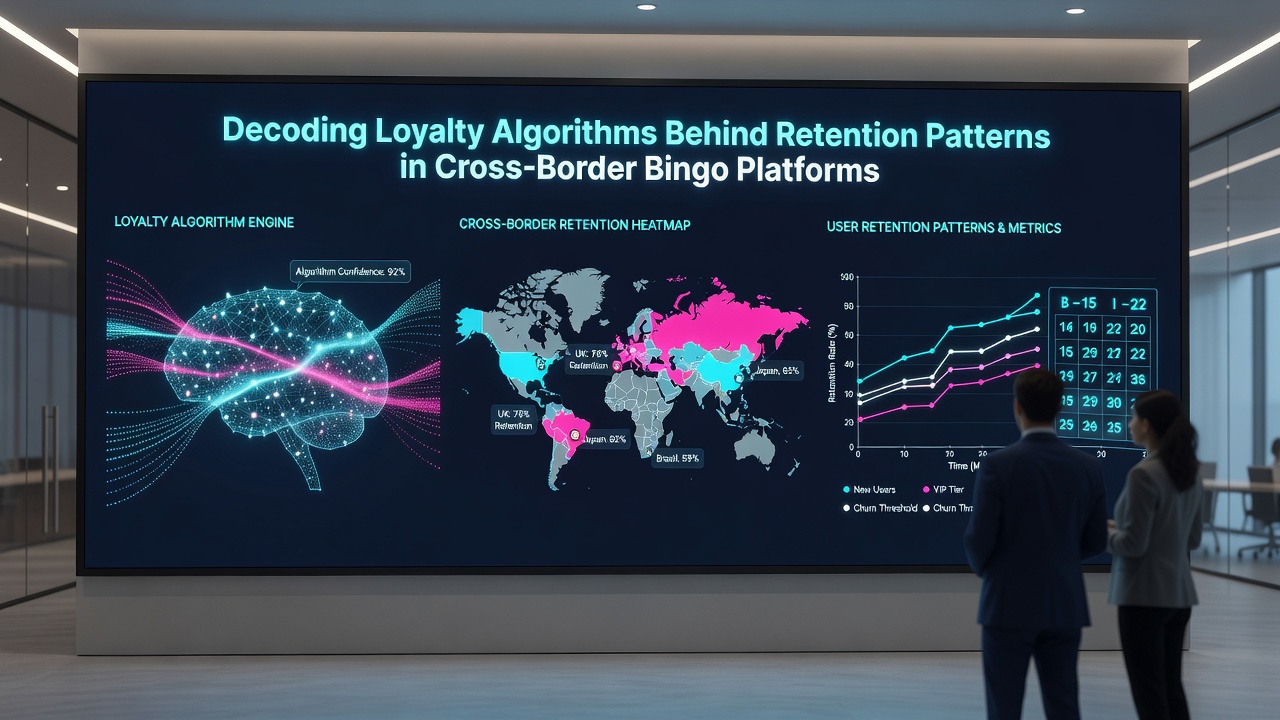
Algorithms also monitor regulatory changes announced by bodies such as the Malta Gaming Authority and incorporate those updates into their decision trees. When new rules on bonus wagering appear, the system recalibrates reward values for affected player groups within days rather than weeks, maintaining continuity in engagement levels.
Pattern Recognition and Predictive Modeling
Retention patterns emerge when algorithms analyze sequences of wins, losses, and withdrawal activity across thousands of sessions. Models flag players who reduce login frequency after a losing streak or those who shift to lower-stake games as potential churn candidates, then deploy targeted interventions like loyalty point multipliers or exclusive tournament invitations.
Observers note that platforms using ensemble methods combining decision trees with neural networks achieve higher precision in predicting seven-day retention compared with simpler rule-based systems. These advanced models draw on historical data spanning multiple years and account for seasonal variations such as holiday travel patterns that affect player availability in different regions.
Implementation Challenges Across Markets
Technical integration of loyalty algorithms requires coordination with payment processors and game suppliers that operate under separate regulatory umbrellas. Currency conversion lags and differing tax treatments on winnings can distort the data fed into retention models, prompting developers to apply normalization layers before scoring occurs.
One documented case involved a platform that recalibrated its algorithm after discovering that players from certain jurisdictions received delayed bonus credits due to banking restrictions, which reduced the perceived value of the reward and lowered subsequent login rates. The fix involved pre-approving credits in local currency equivalents to restore engagement momentum.
Conclusion
Loyalty algorithms continue to evolve as cross-border bingo platforms refine their approaches to player retention through iterative testing and regulatory alignment. The integration of location-aware logic and predictive segmentation allows operators to sustain activity levels even as market conditions shift, with ongoing data collection providing the foundation for further adjustments in reward delivery and timing.