17 Jul 2026
Payment Gateways Bridge Bingo Platforms and Live Poker Tables
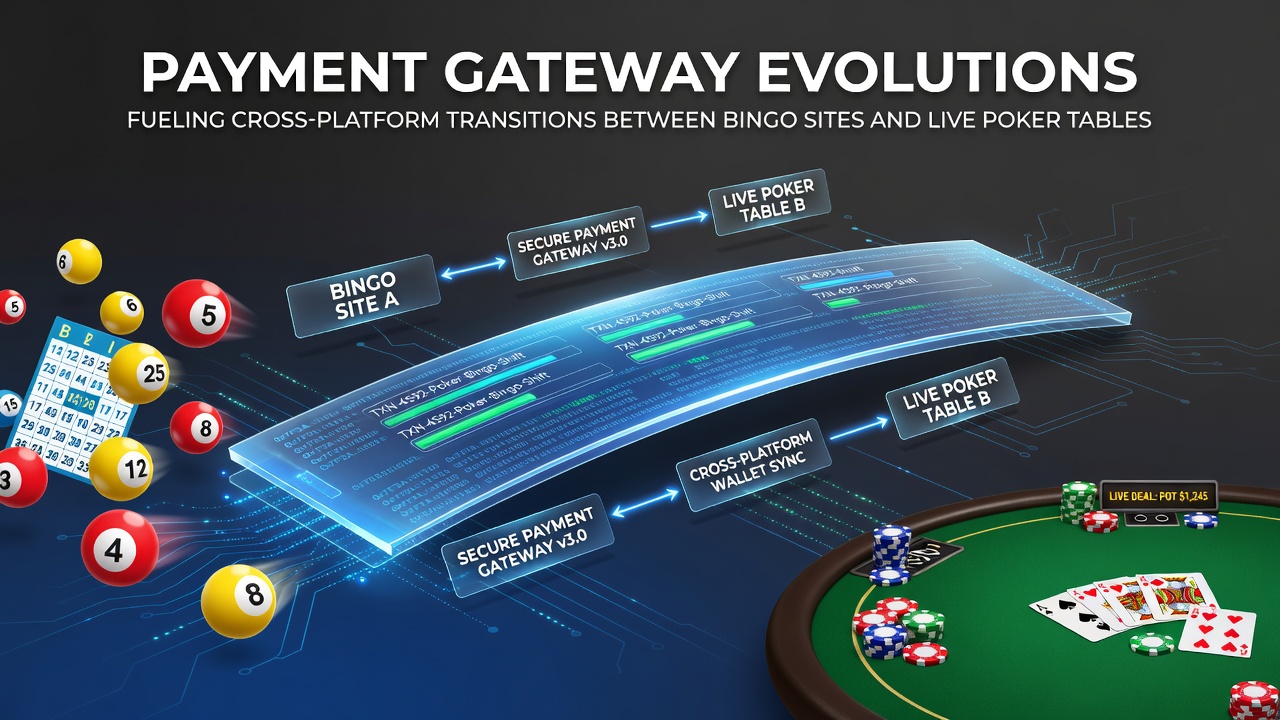
Payment processing systems have undergone steady upgrades that now let users move funds between bingo sites and live poker tables without separate logins or delayed transfers, and these changes accelerated through the first half of 2026 as operators integrated real-time settlement tools across multiple game types.
Unified Wallet Systems Take Hold
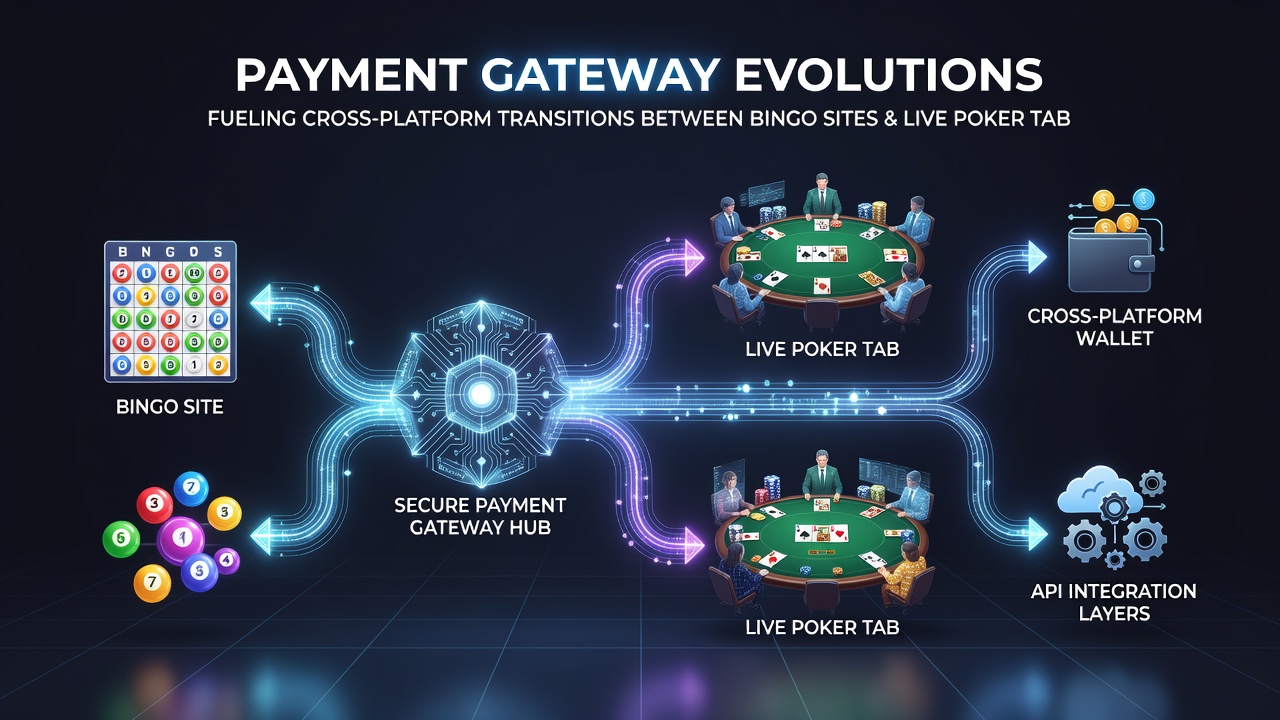
Operators began rolling out shared digital wallets that support both bingo and poker environments on the same platform, which removed the need for players to maintain separate balances for each game category, while these wallets rely on API connections that update instantly when a user switches from one interface to another. Data from industry reports in July 2026 showed increased adoption rates among operators who combined bingo and poker offerings under single accounts, and the shift reduced transaction friction that previously required manual withdrawals and re-deposits.
Technical Standards Behind the Transitions
Modern gateways use tokenization methods that secure card details across sessions, and they incorporate blockchain-based verification layers for faster cross-border transfers that comply with regional rules. These systems connect through standardized protocols that let bingo platforms feed directly into poker lobbies, while security protocols maintain audit trails required by licensing bodies such as the Malta Gaming Authority. Research from European gaming associations indicates that token-based transfers cut processing times from minutes to seconds in live environments, which supports uninterrupted play when users move between game formats.
Regulatory Influences Shape Integration
Regulators in several jurisdictions updated guidelines in 2025 and 2026 to accommodate multi-game wallets, and the Nevada Gaming Control Board issued clarifications that allowed licensed operators to link bingo and poker funding streams under unified compliance checks. Similar adjustments appeared in Australian markets where the Australian Communications and Media Authority reviewed payment flows for remote wagering, which encouraged operators to adopt gateways that track player activity across game types without separate reporting streams. These updates created clearer pathways for platforms that wanted to offer seamless movement between bingo halls and poker tables while meeting local oversight requirements.
Player Behavior Patterns in Mid-2026
Analytics platforms recorded higher session continuity rates when payment gateways allowed instant balance transfers, and users who started in bingo rooms often continued into poker tables within the same login period once funding moved automatically. Observers note that these patterns emerged most clearly on mobile applications where sensor-based authentication paired with gateway APIs to confirm identity across game switches, and the combination reduced drop-off during transitions. Figures from mid-2026 tracking services revealed that platforms with integrated gateways retained users for longer average durations compared with those that kept separate payment flows for each game type.
Case Examples from Current Markets
One operator group based in North America linked its bingo network to live poker tables through a single gateway provider, which resulted in measurable increases in cross-game activity during the spring and summer months of 2026. Another European platform adopted multi-currency support within its wallet system, allowing players to shift funds between bingo sessions and poker tables without currency conversion delays, and that change aligned with updates from regional trade groups monitoring remote gambling trends. These implementations followed patterns already tested in earlier hybrid gaming environments where payment rails supported both chance-based and skill-based titles under the same infrastructure.
Security and Compliance Layers
Gateway providers added biometric confirmation steps and real-time fraud detection that scan activity across bingo and poker simultaneously, which helps operators meet know-your-customer standards without repeated verification prompts. Encryption standards evolved to cover the entire transaction path from initial deposit through game switches, and audit logs generated by these systems supply the documentation required by multiple licensing authorities. Industry data collected through July 2026 showed fewer reported incidents of payment-related disputes on platforms that unified their gateways, because centralized tracking made reconciliation simpler for both operators and users.
Future Directions for Cross-Platform Funding
Developers continue testing gateway features that incorporate predictive balance adjustments based on historical play across bingo and poker, yet these tools remain in pilot stages as of mid-2026. Partnerships between payment firms and game aggregators focus on expanding API compatibility so that new bingo variants and poker formats integrate without additional wallet setup steps. The trajectory points toward broader use of instant settlement networks that operate across game categories while preserving the distinct regulatory requirements each title carries.
Conclusion
Payment gateway developments have created functional links between bingo sites and live poker tables by streamlining wallet access, shortening transfer times, and aligning with updated regulatory frameworks across regions. These technical and compliance advances support continuous play sessions that move between game types while maintaining required security and reporting standards, and the patterns observed through July 2026 suggest further refinements will build on the same integrated approach.