Regulatory Harmonization Effects on Bonus Allocation Frameworks in Global Online Table and Reel Platforms
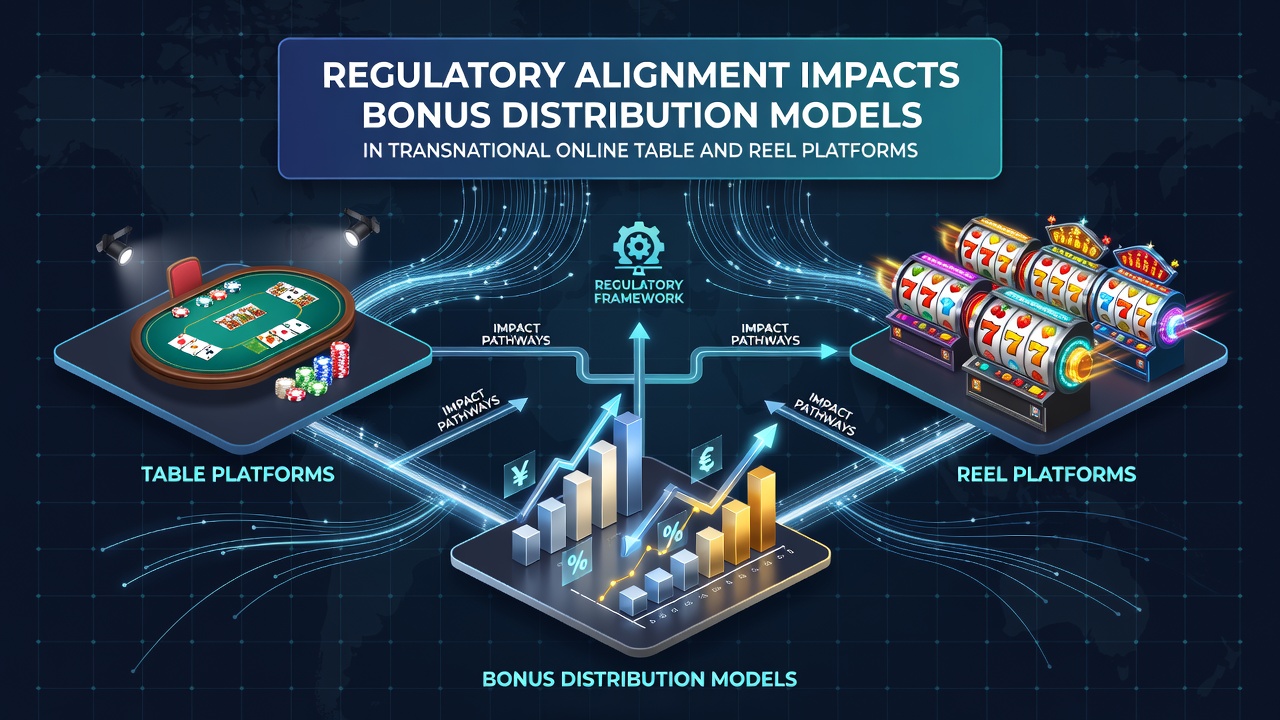
Cross-border regulatory alignment continues to reshape how transnational operators distribute bonuses across online table games and reel-based platforms, forcing adjustments in wagering requirements, eligibility criteria, and payout caps to satisfy overlapping legal frameworks. Platforms operating in multiple regions must synchronize their promotional models with directives from bodies such as the Malta Gaming Authority alongside state-level oversight in places like New Jersey's Division of Gaming Enforcement, creating unified yet flexible distribution systems that account for local player protection standards.
Core Mechanisms of Regulatory Alignment
Alignment efforts typically involve harmonizing rules on bonus transparency, maximum stake limits during promotional play, and mandatory disclosure of terms, which operators implement through centralized compliance engines that automatically adjust offers based on user location data. Data from industry monitoring in early 2026 shows these systems reduce instances of non-compliance by integrating real-time regulatory feeds, allowing platforms to modify bonus structures without disrupting user experiences in table or slot environments.
Operators achieve this through modular bonus engines that apply jurisdiction-specific multipliers to wagering requirements, for instance scaling a standard 30x playthrough to 35x when users access from territories with stricter consumer safeguards. Such adaptations maintain operational efficiency while meeting varied thresholds set by different authorities, and they often incorporate geofencing protocols to prevent bonus activation outside permitted zones.
Influence on Table Game Bonus Distributions
Live dealer table platforms experience pronounced shifts because alignment frequently imposes caps on side-bet bonuses and restricts certain progressive jackpot contributions tied to promotional funds. In practice, operators segment bonus pools by game category, allocating smaller percentages to blackjack or roulette variants in regions emphasizing responsible gaming metrics, while preserving higher-value offers for slots where reel mechanics allow more granular tracking of spin-based contributions.
Studies conducted by research groups affiliated with the European Gaming and Betting Association highlight that these segmented models have led to a measurable redistribution of bonus value toward hybrid table-reel promotions, where players receive credits usable across both formats under unified terms. This approach satisfies alignment demands without fragmenting player engagement, and it supports data collection on cross-game behavior that informs future compliance updates.

Adjustments in Reel Platform Models
Slot-focused environments see changes primarily in free-spin allocations and deposit-match percentages, with alignment pushing operators toward standardized contribution rates that count toward both local and international licensing conditions. As of June 2026, several major platforms reported recalibrating reel bonus frequencies to align with emerging Canadian provincial guidelines and Australian federal interactive gambling standards, resulting in tiered reward schedules that escalate based on verified play volume across compliant markets.
These recalibrations often utilize algorithmic weighting so that high-volatility reels receive bonuses with extended expiration windows, accommodating longer session patterns observed in regulated jurisdictions. The result appears in aggregated platform data as steadier bonus redemption rates, which in turn supports sustained revenue streams while adhering to anti-money laundering provisions embedded in aligned regulatory texts.
Operational Challenges and Platform Responses
Transnational operators face integration hurdles when aligning legacy bonus systems with newer mandates, particularly around audit trails for promotional funds and player fund segregation rules. Solutions include blockchain-verified ledgers that log every bonus issuance and redemption event, providing immutable records accessible to multiple regulators simultaneously and reducing reconciliation delays that previously extended into weeks.
Case examples from operators active in both European and North American corridors demonstrate that phased rollouts of unified models, beginning with high-traffic table titles before extending to reel catalogs, minimize service interruptions. Observers note these transitions coincide with updated reporting templates shared among regulators, streamlining oversight without requiring separate submissions for each jurisdiction.
Conclusion
Regulatory alignment ultimately drives more consistent yet adaptable bonus distribution models that balance commercial objectives with compliance across table and reel platforms, supported by technological tools that enable precise localization. Continued evolution in this area depends on ongoing dialogue between operators and authorities, yielding frameworks that accommodate emerging markets while preserving core player protections already embedded in existing systems.