Sensor Fusion Techniques Revolutionize Mobile Gambling Interactions
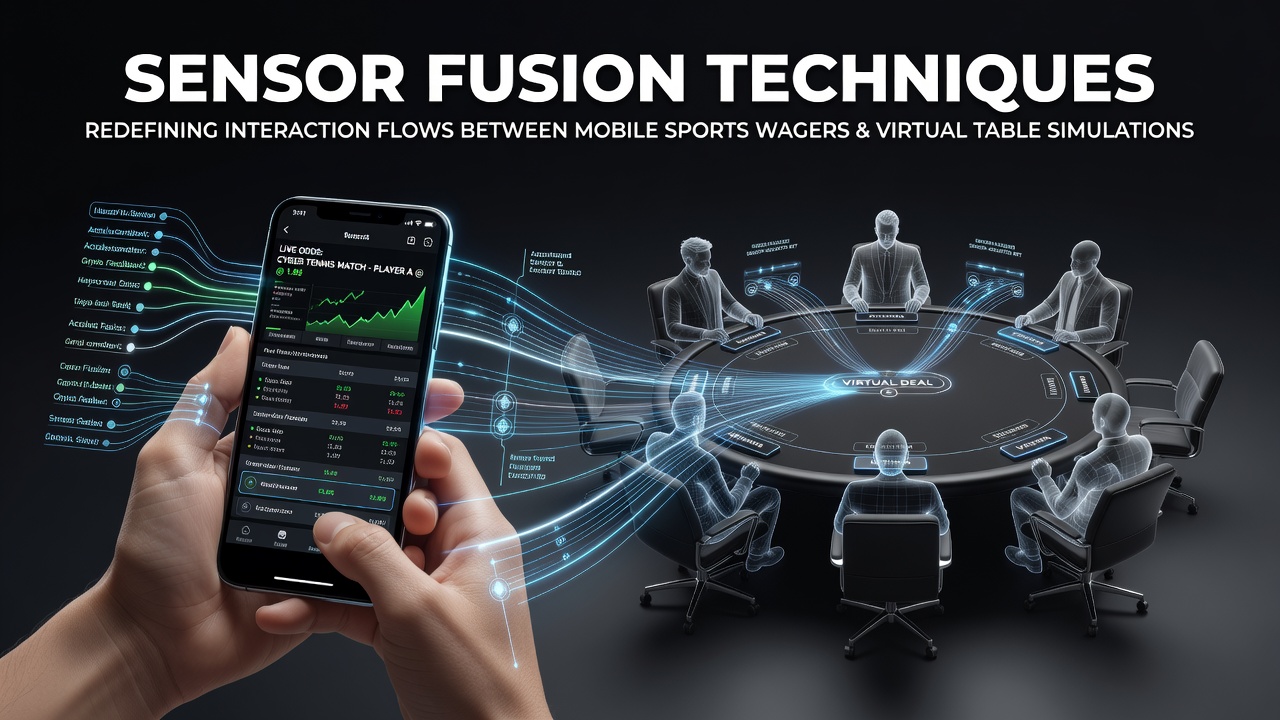
Developers now combine inputs from accelerometers, gyroscopes, magnetometers, and GPS modules to create unified data streams that guide user actions across mobile sports wagering platforms and virtual table environments, and this approach has gained traction in regulated markets by June 2026. Research indicates that sensor fusion algorithms, often based on Kalman filtering or particle methods, reduce latency in gesture recognition while improving accuracy for bet placement and game controls.
Core Components of Sensor Fusion in Mobile Platforms
Multiple device sensors feed raw data into processing pipelines where machine learning models reconcile discrepancies between motion readings and environmental signals. Observers note that this integration allows players to tilt devices for quick odds adjustments during live sports events, and the same system can trigger card draws or chip movements in simulated blackjack sessions without separate menu navigation. Data from regulatory filings shows adoption rates climbing in North American jurisdictions as operators seek competitive edges through smoother interfaces.
Industry reports from the Nevada Gaming Control Board highlight how fused sensor outputs support responsible gaming features such as automatic session pauses triggered by erratic device movement patterns. Those patterns emerge when algorithms detect rapid tilting that correlates with impulsive wagering, and operators integrate these alerts directly into unified dashboards that span sports and table products.
Interaction Flows Between Sports Wagers and Table Simulations
Users transition between placing a live football bet and entering a virtual poker room on the same application because sensor fusion maintains contextual awareness across both environments. Accelerometer data tracks subtle hand movements that confirm bet amounts, while camera-based depth sensing verifies table surface alignment in augmented overlays. Studies from academic sources such as IEEE publications on mobile human-computer interaction demonstrate error reductions of up to 40 percent in gesture-driven commands compared with touch-only systems.

One documented implementation merges GPS location verification with gyroscope inputs to restrict certain virtual table features outside approved gaming zones, and the same fusion layer enables sports bettors to receive haptic feedback when line movements occur during matches. Figures from Canadian provincial regulators reveal steady growth in mobile-only accounts that utilize these hybrid controls, particularly in provinces where operators must demonstrate enhanced player protections.
Technical Implementation and Data Processing
Engineers apply complementary filters alongside neural networks to handle noise from individual sensors, which produces stable outputs even when users operate devices in varying lighting or motion conditions. This stability matters during live sports events where rapid score updates coincide with table game decisions, and fusion techniques ensure continuous synchronization without requiring manual refreshes. Evidence from European research consortia indicates that processing occurs primarily on-device to minimize bandwidth demands while maintaining compliance with data localization rules.
Security protocols further benefit because fused biometric signals from device motion can supplement traditional login methods, and several platforms now test continuous authentication models that flag unusual handling patterns across both wagering types. Those who've examined deployment logs report fewer account takeover incidents in applications that incorporate multi-sensor verification layers.
Regulatory and Market Context in Mid-2026
By June 2026, state-level authorities in the United States have begun requiring operators to document sensor-based interaction safeguards as part of licensing renewals. Australian government agencies overseeing digital gambling have issued similar guidance emphasizing transparency around data collection from mobile hardware. These requirements align with broader industry efforts to standardize fusion techniques so that performance metrics remain comparable across different device manufacturers.
Market data compiled by research firms shows mobile sessions involving both sports and virtual tables increasing in duration when sensor fusion is active, largely because players avoid repeated context switches. The reality is that hardware improvements in flagship smartphones have made these techniques viable at scale, prompting smaller operators to adopt white-label solutions that embed the same processing frameworks.
Conclusion
Sensor fusion continues to reshape how mobile applications handle concurrent sports wagering and virtual table activities through precise data integration and responsive controls. Regulatory bodies across multiple regions track these developments to balance innovation with player protection standards, while technical advancements keep expanding the range of supported interactions. As device capabilities advance further, the same foundational methods are expected to support additional game formats without disrupting existing compliance frameworks.