22 May 2026
Sensors on the Felt: How Biometrics Guide Player Strategies in Online Card Rooms
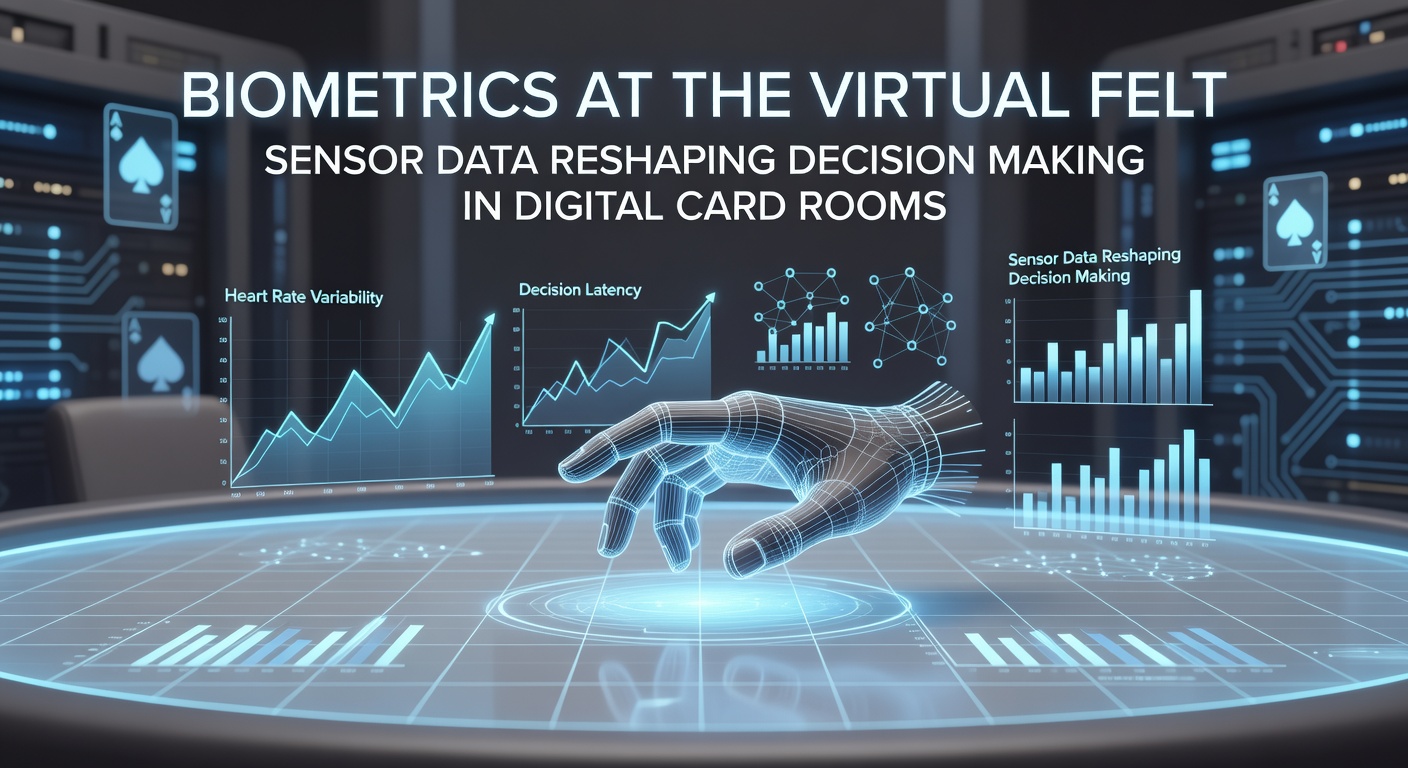
Biometric tools now sit at the center of many digital card platforms where players compete in poker and similar games, and these systems collect heart rate, eye movements along with facial expressions to feed real-time insights back into decision processes. Platforms capture this information through webcams, wearable devices and touch interfaces, then algorithms translate the signals into suggestions or opponent profiles that appear during live sessions. Data from these setups shows measurable shifts in how participants approach betting rounds, folds and bluffs across both casual and high-stakes tables.
Core Technologies Driving the Change
Modern platforms combine several sensor types to build a continuous picture of each participant, and heart-rate variability monitors detect stress spikes that often precede aggressive raises while eye-tracking software records gaze duration on community cards or chip stacks. Facial recognition systems analyze micro-expressions for signs of hesitation or confidence, and the resulting metrics integrate directly into player dashboards or coaching overlays that update between hands. Researchers at institutions focused on human-computer interaction note that these combined streams create richer behavioral maps than traditional statistics alone could provide.
Device manufacturers have refined the hardware so that smartphone cameras and laptop sensors deliver sufficient resolution for accurate readings without additional peripherals, and this accessibility has accelerated adoption among both operators and individual users. In May 2026 several major platforms rolled out updated applications that sync with fitness trackers already owned by players, which reduces friction and increases the volume of data flowing into decision engines during peak evening hours.
Effects on In-Game Choices
Players who review biometric summaries between sessions frequently adjust their pre-flop ranges and continuation-bet frequencies, while those receiving live prompts sometimes tighten aggression when elevated heart rates signal emotional tilt. Opponent modeling also evolves because platforms aggregate anonymized stress patterns across large user bases, which lets algorithms flag tables where multiple participants exhibit similar physiological tells. Observers note that these layers add a new strategic dimension that rewards self-awareness as much as mathematical skill.
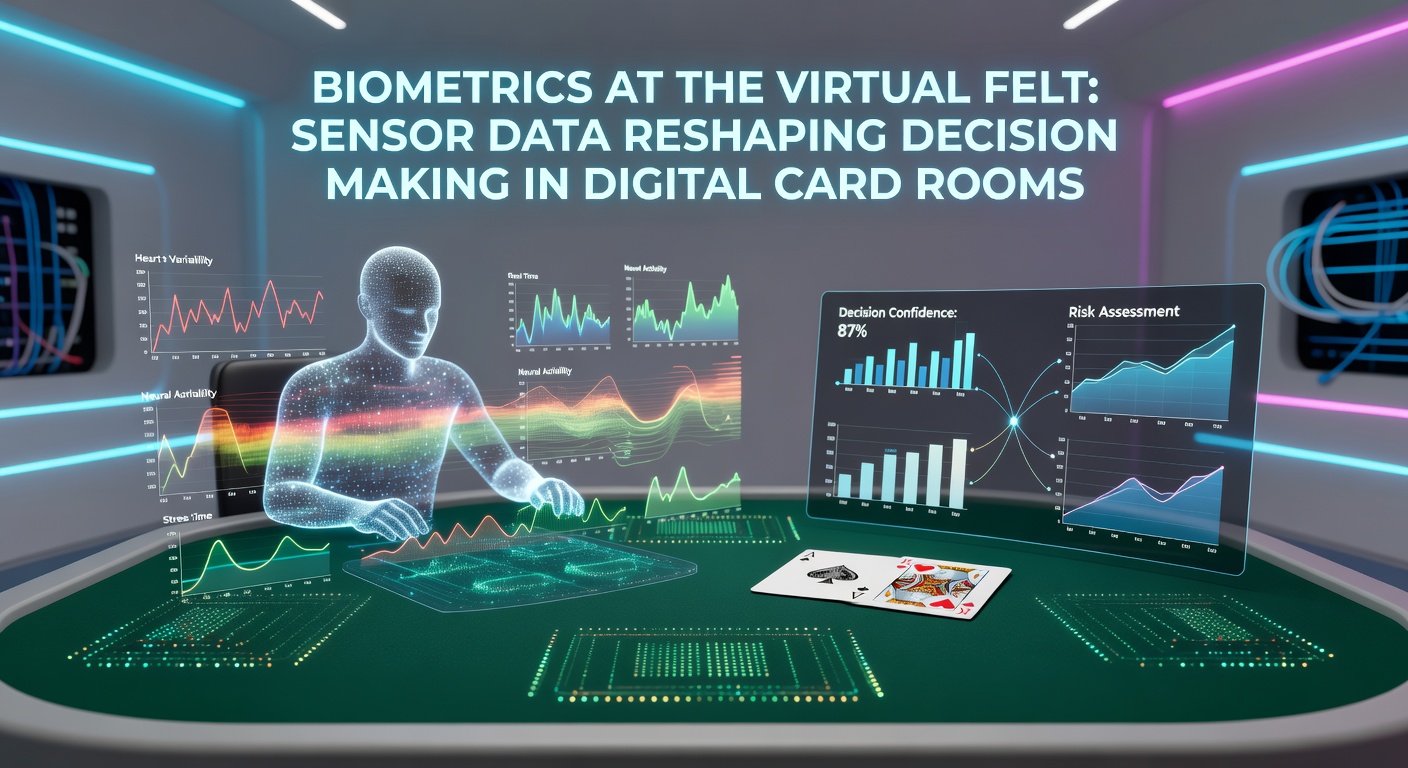
One study published through the International Center for Gaming Regulation examined sessions on platforms using heart-rate overlays and found participants who consulted the data reduced impulsive all-ins by noticeable margins compared with control groups. Another analysis from Canadian academic researchers tracked eye-movement heat maps and concluded that prolonged stares at certain board textures correlated with higher fold rates once the information appeared in player interfaces. These patterns emerge consistently across different game formats and stake levels.
Regulatory and Privacy Considerations
Authorities in multiple jurisdictions now require clear consent flows and data-retention limits before biometric features activate, and operators must store physiological records separately from financial transaction logs to satisfy emerging standards. The New Jersey Division of Gaming Enforcement and similar bodies in other regions have issued guidance that emphasizes player control over whether sensors remain active throughout a session. Compliance teams at larger sites have implemented automatic opt-out toggles that deactivate tracking after a set number of hands if users do not renew permission.
Security protocols encrypt biometric streams in transit and at rest, yet questions remain about how aggregated datasets might be used for marketing or third-party research once they leave the primary platform. Industry reports from the European Gaming and Betting Association indicate that companies adopting transparent audit trails see higher retention among users who value both performance tools and privacy safeguards.
Looking Ahead
Continued refinement of machine-learning models promises more precise correlations between physiological signals and optimal actions, and integration with augmented-reality headsets may soon overlay biometric cues directly onto virtual felt surfaces. As adoption widens, training programs offered by poker academies have begun incorporating sensor literacy modules so that new players understand both the advantages and the boundaries of these systems. The trajectory points toward environments where real-time physiological feedback becomes another standard element of strategic preparation rather than an experimental add-on.
Conclusion
Biometric integration continues to expand the information available inside digital card rooms, and the resulting data streams influence everything from individual hand decisions to broader platform design choices. Regulatory frameworks keep pace by stressing consent and security, while ongoing technical improvements lower barriers for wider participation. Those who study these developments expect the interplay between sensors and strategy to deepen as hardware and algorithms mature through 2026 and beyond.