21 Jun 2026
Smart Wearables Redefine Player Strategies Across Casino Device Ecosystems
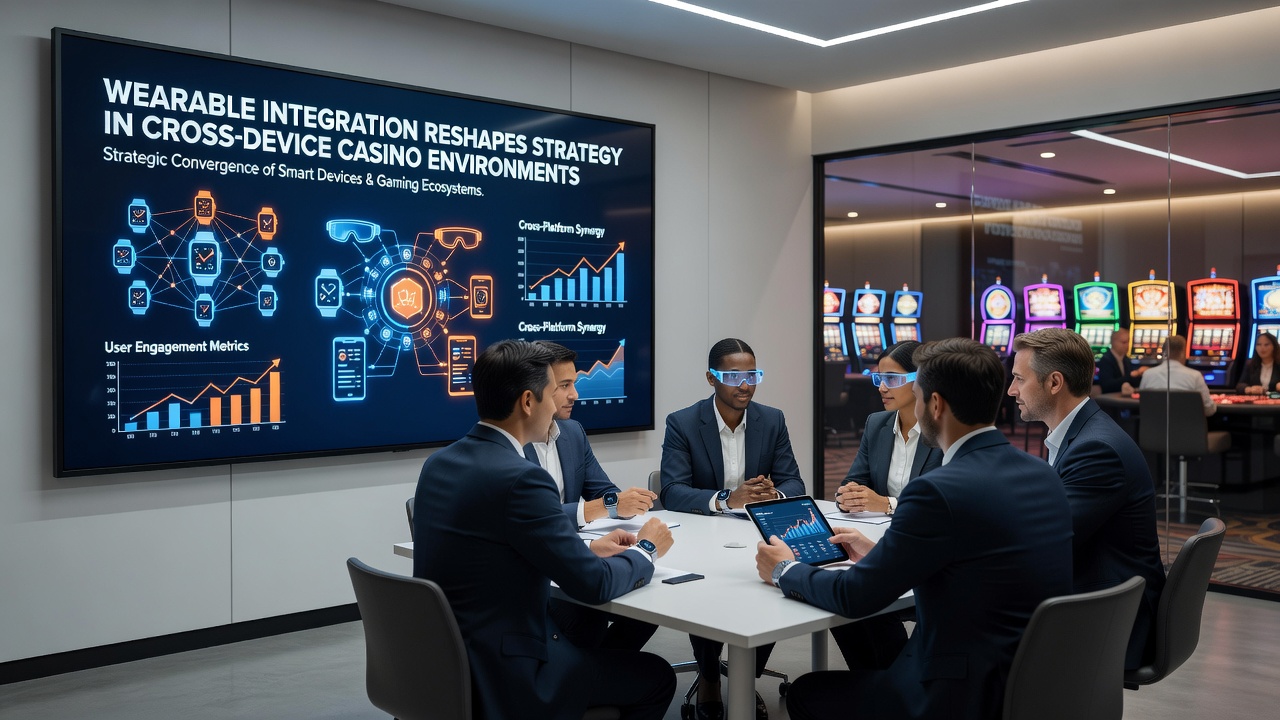
Smartwatches and fitness bands now connect directly with casino platforms running on phones, tablets and desktop computers, allowing real-time data exchange that influences how players manage bets and sessions. These connections create continuous streams of biometric information, device orientation readings and haptic signals that operators incorporate into their software across different screen sizes and input methods.
Research from the Canadian Gaming Association indicates that integration rates for wearable technology in regulated online gambling environments rose steadily through the first half of 2026, with many platforms updating APIs to accept heart-rate variability and motion data from major device manufacturers. This shift enables players to receive alerts on their wrists while switching between a mobile app and a larger screen without losing session continuity or personalized settings.
Biometric Inputs Guide Decision Points
Heart-rate monitors and galvanic skin response sensors feed into casino algorithms that adjust suggested bet sizes or game recommendations, and operators in several jurisdictions have begun testing these features under controlled conditions. Data from wearable devices travels through encrypted channels to central servers that synchronize player profiles across devices, so a user who starts a session on a smartphone can continue on a desktop computer with the same biometric baseline applied to risk calculations.
Studies conducted by university researchers in Australia have examined how elevated stress indicators detected by wearables correlate with changes in wagering patterns during live dealer sessions, and those findings show measurable differences in average bet amounts when players receive gentle haptic reminders on their devices. teh same data sets reveal that cross-device handoffs become smoother when wearables maintain an active connection, because orientation sensors help the software predict whether a player is seated at a desk or moving between locations.
Cross-Platform Synchronization Mechanics
Casino software developers now build unified back-end systems that treat wearables as additional input layers rather than separate accessories, which means a single player account can receive consistent strategy prompts whether the primary interface is a phone, tablet or computer. Gyroscopic data from smartwatches combines with touch-screen inputs on mobile devices and mouse movements on desktops to create layered profiles that update in real time.
Figures released by the Nevada Gaming Control Board for the period ending in June 2026 show increased traffic on platforms that support wearable pairing, particularly among users who switch devices multiple times during a single session. These statistics highlight how haptic feedback delivered through wrist-worn devices can prompt players to pause or adjust stakes without requiring them to look away from the main screen.
Regulatory and Security Considerations
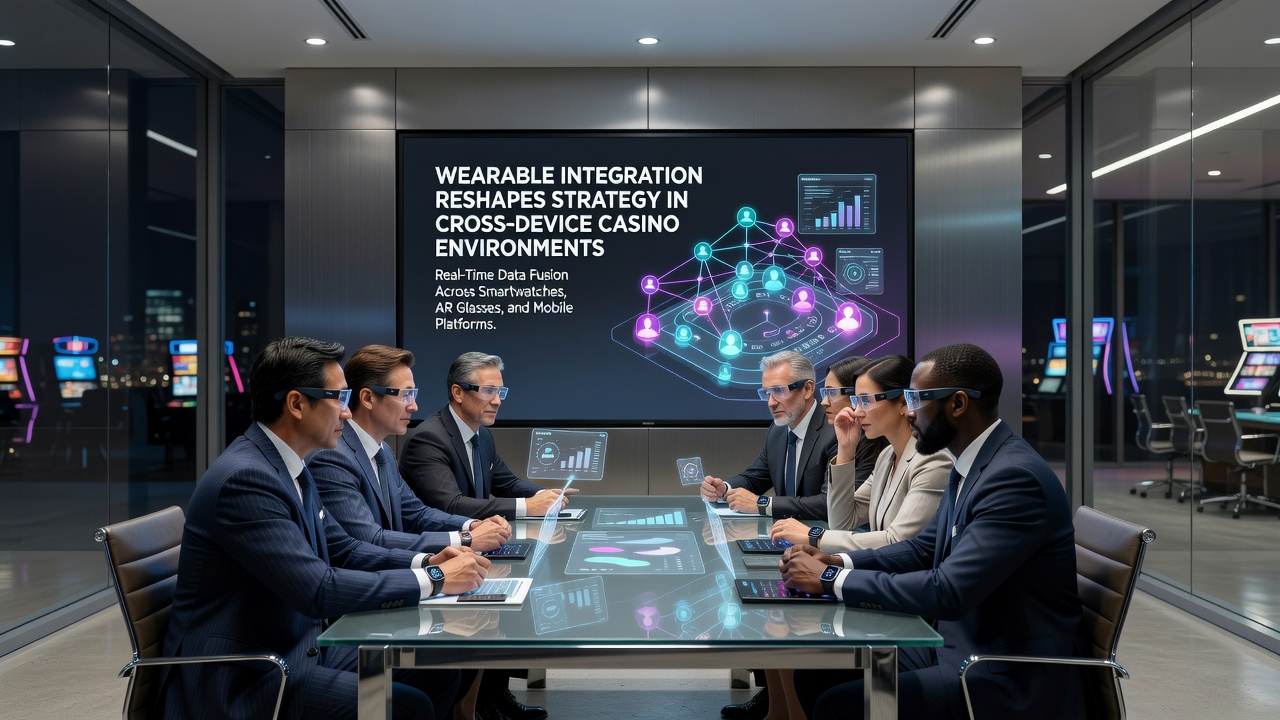
Authorities in multiple regions require that biometric data collected through wearables meets the same privacy standards applied to traditional account information, and compliance teams at major operators have updated their protocols accordingly. European regulators outside the United Kingdom have issued guidance documents that emphasize secure transmission methods when wearable devices relay information to cross-device casino environments.
Industry reports from the Japan Casino Association note that testing protocols now include scenarios where players move between devices while wearing connected accessories, and results demonstrate reduced latency in strategy updates when sensor fusion techniques combine inputs from multiple sources. These tests also track how quickly systems detect and respond to changes in a player's physical state across different hardware setups.
Future Integration Patterns
Developers continue to explore additional sensor types that could feed into casino platforms, including temperature readings and blood-oxygen levels, although current implementations focus primarily on heart-rate and motion data. The technical framework supporting these connections relies on standardized APIs that allow wearables from various manufacturers to communicate with the same backend systems used for mobile and desktop play.
Observers note that the pace of adoption has accelerated as more players own multiple connected devices, and the resulting data volume provides operators with clearer pictures of how strategies evolve when users transition between environments. Security audits conducted in 2026 have confirmed that properly implemented wearable links do not introduce new vulnerabilities beyond those already present in conventional account management systems.
Conclusion
Wearable integration continues to expand the ways players interact with casino content across devices, and the technical infrastructure supporting these connections grows more robust with each platform update. Data from regulatory bodies and research institutions shows consistent growth in adoption rates, while security and privacy frameworks adapt to accommodate the additional data streams. The result is a more interconnected environment where strategy adjustments flow naturally between a wrist-worn device and larger screens without interrupting the overall experience.