Tilt and Bet: Gyroscopic Inputs Transforming Wager Adjustments in Unified Mobile Poker and Roulette
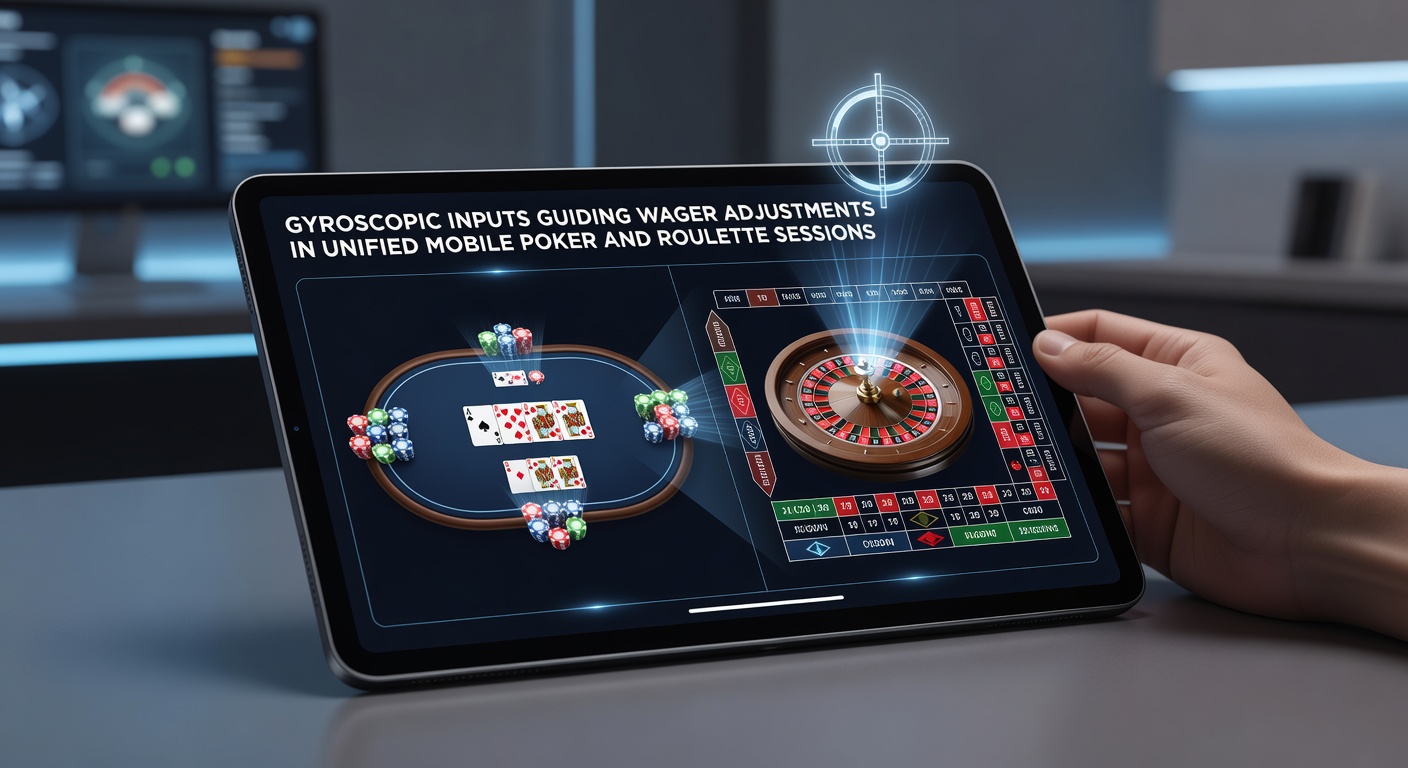
Gyroscopic sensors in smartphones detect orientation changes and translate those movements into wager modifications during combined poker and roulette sessions on mobile platforms, and developers have integrated these inputs to allow players to adjust bet sizes without tapping additional screen elements.
Data from device manufacturers indicates that most modern smartphones contain MEMS gyroscopes capable of measuring angular velocity along three axes, while gaming applications access this information through standard operating system APIs to create responsive controls in unified sessions that switch between poker tables and roulette wheels.
Technical Integration of Gyroscopic Data
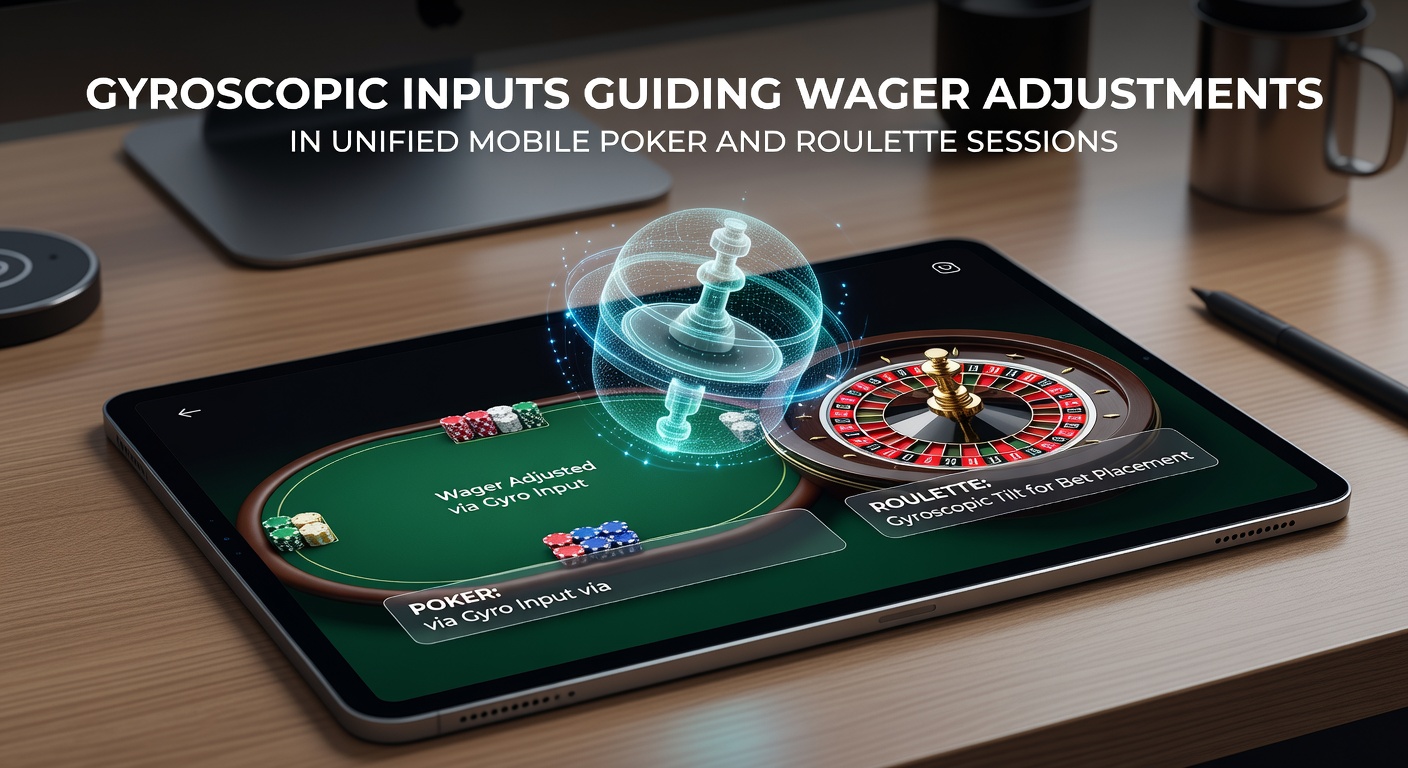
Application developers map specific tilt angles to predefined wager increments, so a slight forward pitch might increase a poker raise by one chip denomination whereas a sideways roll could decrease the roulette bet amount, and calibration routines ensure consistent performance across different device models used in June 2026 deployments.
Studies conducted by the University of Nevada, Reno gaming technology lab show that response latency averages under 50 milliseconds when gyroscopic inputs process wager changes, which keeps pace with live dealer streams and maintains synchronization in sessions where players alternate between card games and wheel spins.
Player Interaction Patterns in Unified Sessions
Observers note that users in combined mobile environments often tilt devices to fine-tune bets during high-stakes moments, while the system cross-references these adjustments against current table limits and remaining bankroll to prevent invalid inputs, and platform logs reveal frequent use of gyro controls during transitions between poker rounds and roulette spins.
Regional Regulatory Perspectives
According to reports from the Nevada Gaming Control Board, operators must document all input methods including gyroscopic controls when submitting game software for approval, whereas Canadian provincial regulators require similar disclosures to verify that wager adjustments remain fair and auditable across mobile platforms.
What's interesting is how these sensors reduce reliance on on-screen sliders, allowing larger portions of the display to show game elements, yet developers still provide optional touch overrides for users who prefer traditional methods during extended sessions.
Performance Data and Usage Trends
Industry figures reveal that sessions incorporating gyroscopic wager controls last approximately 12 percent longer on average than those limited to touch inputs alone, and this pattern holds across both poker-focused and roulette-heavy play sequences recorded through June 2026.
Research from the Australian Gambling Research Centre indicates measurable differences in bet distribution when gyro inputs are active, with players executing smaller incremental adjustments more frequently than when using button-based systems, and these patterns appear consistent regardless of whether participants switch rapidly between game types within the same application.
Security and Fairness Considerations
Platform providers implement checksum verification on gyroscopic data streams to detect any external manipulation attempts, while encryption protocols protect the transmission of tilt-derived commands to central servers, and third-party testing laboratories certify that these mechanisms do not introduce bias into random number generation or outcome determination.
One case where experts examined multiple devices found that environmental factors such as vehicle motion produced negligible interference when applications applied standard filtering algorithms, allowing stable performance in typical usage conditions reported during recent compliance reviews.
Future Development Directions
Engineers continue refining sensitivity profiles to accommodate varied grip styles and hand sizes, and upcoming updates scheduled for late 2026 aim to incorporate machine learning models that adapt tilt thresholds based on individual player histories within unified poker and roulette environments.
Those who've studied sensor integration note that combining gyroscopic data with other inputs like accelerometers creates hybrid control schemes that further streamline wager management, though current implementations already deliver measurable efficiency gains in mobile sessions.
Conclusion
Gyroscopic inputs have become a standard feature in unified mobile poker and roulette applications by June 2026, supported by documented technical standards, regulatory oversight from multiple jurisdictions, and usage data that demonstrates consistent player adoption across different regions and device types.